
From sacred sacrifice to the modern equestrian arena
I've been thinking about the ancient practice of animal sacrifice.
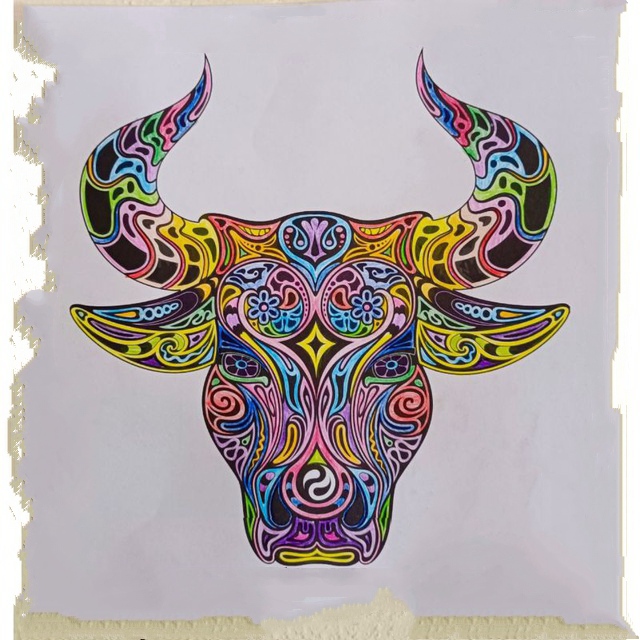
In many ancient cultures, the animal chosen for sacrifice wasn't treated as worthless. Quite the opposite. It was selected because it was valuable. It was purified, decorated, led in procession, and placed at the centre of a solemn ritual.
Does that sound familiar?
Look at modern equestrian sport.
We don't sacrifice horses to the gods. We enter them into arenas, under lights, in front of judges and audiences. We speak of partnership, connection , harmony, lightness, communication and the beauty of the horse.
And yet, sometimes, what is happening in front of all those people is profoundly difficult to watch.
Particularly in dressage — a discipline that presents itself as the highest expression of harmony between horse and rider — we can see bodies held in tension, faces expressing silent pain, and riders using increasingly coarse aids to produce increasingly artificial movements.
The contradiction is uncomfortable.
The horse is supposedly the partner.
The horse is supposedly the athlete.
The horse is supposedly the star.
And yet the horse is also the one who pays the physical price.
What troubles me most isn't simply that cruelty exists. It is that we have normalised the spectacle of it.
Judges see it.
Stewards see it.
Trainers see it.
Veterinarians see it.
Spectators see it.
And still, the performance can receive applause, ribbons, medals and breeding value.
Then there is the strange pattern of the modern sport horse: an intense career, often beginning surprisingly young, followed by early retirement because the body can no longer withstand the demands — or by a sudden and unexpected death that is discussed briefly and then absorbed into the next competition cycle.
Of course, not every retired horse is broken, and not every sudden death is caused by sport. That would be an unfair simplification.
But perhaps we should be asking a more uncomfortable question:
What does it say about a system when the pursuit of performance repeatedly seems to come at the expense of the very animal whose beauty and movement we claim to celebrate?
The ancient sacrificer at least understood that something valuable was being given.
Perhaps modern equestrian sport has forgotten something equally important:
A horse's willingness, soundness and dignity are not obstacles to the performance - They are the performance.
And perhaps the most important question we can ask when watching any equestrian performance is not:
"How impressive was that?"
but:
How did the horse experience it?
"But these horses are incredibly well cared for."
Perhaps they do.
But, excellent care and good welfare are not necessarily the same thing.
The horses may have the finest stables, carefully calculated diets, regular veterinary examinations, physiotherapy, dentistry, specialised farriery, massage, supplements and every technological advantage money can buy — and still be subjected to training or competition that causes pain, fear or excessive physical strain.
But this raises an important question:
Is excellent care the same thing as excellent welfare?
We can repair, medicate, rehabilitate and optimise a body — but that doesn't automatically mean we should keep asking that body to endure what damaged it in the first place.
In fact, perhaps the sophistication of modern equine care sometimes allows us to push the horse further than we otherwise could, because increasingly sophisticated medicine can keep an increasingly compromised animal in the system.
The question shouldn't only be:
"How well is this horse cared for?"
It should also be:
"What are we asking this horse to endure?"
And ultimately:
"Would the horse choose this life if it had a choice?"
Would the sacrificial animal have chosen to die in glory?
The meaning of glory belongs to the humans.
The cost of it belongs to the animal.
Thanks for reading!
I've been thinking about the ancient practice of animal sacrifice.
In many ancient cultures, the animal chosen for sacrifice wasn't treated as worthless. Quite the opposite. It was selected because it was valuable. It was purified, decorated, led in procession, and placed at the centre of a solemn ritual.
Does that sound familiar?
Look at modern equestrian sport.
We don't sacrifice horses to the gods. We enter them into arenas, under lights, in front of judges and audiences. We speak of partnership, connection , harmony, lightness, communication and the beauty of the horse.
And yet, sometimes, what is happening in front of all those people is profoundly difficult to watch.
Particularly in dressage — a discipline that presents itself as the highest expression of harmony between horse and rider — we can see bodies held in tension, faces expressing silent pain, and riders using increasingly coarse aids to produce increasingly artificial movements.
The contradiction is uncomfortable.
The horse is supposedly the partner.
The horse is supposedly the athlete.
The horse is supposedly the star.
And yet the horse is also the one who pays the physical price.
What troubles me most isn't simply that cruelty exists. It is that we have normalised the spectacle of it.
Judges see it.
Stewards see it.
Trainers see it.
Veterinarians see it.
Spectators see it.
And still, the performance can receive applause, ribbons, medals and breeding value.
Then there is the strange pattern of the modern sport horse: an intense career, often beginning surprisingly young, followed by early retirement because the body can no longer withstand the demands — or by a sudden and unexpected death that is discussed briefly and then absorbed into the next competition cycle.
Of course, not every retired horse is broken, and not every sudden death is caused by sport. That would be an unfair simplification.
But perhaps we should be asking a more uncomfortable question:
What does it say about a system when the pursuit of performance repeatedly seems to come at the expense of the very animal whose beauty and movement we claim to celebrate?
The ancient sacrificer at least understood that something valuable was being given.
Perhaps modern equestrian sport has forgotten something equally important:
A horse's willingness, soundness and dignity are not obstacles to the performance - They are the performance.
And perhaps the most important question we can ask when watching any equestrian performance is not:
"How impressive was that?"
but:
How did the horse experience it?
"But these horses are incredibly well cared for."
Perhaps they do.
But, excellent care and good welfare are not necessarily the same thing.
The horses may have the finest stables, carefully calculated diets, regular veterinary examinations, physiotherapy, dentistry, specialised farriery, massage, supplements and every technological advantage money can buy — and still be subjected to training or competition that causes pain, fear or excessive physical strain.
But this raises an important question:
Is excellent care the same thing as excellent welfare?
We can repair, medicate, rehabilitate and optimise a body — but that doesn't automatically mean we should keep asking that body to endure what damaged it in the first place.
In fact, perhaps the sophistication of modern equine care sometimes allows us to push the horse further than we otherwise could, because increasingly sophisticated medicine can keep an increasingly compromised animal in the system.
The question shouldn't only be:
"How well is this horse cared for?"
It should also be:
"What are we asking this horse to endure?"
And ultimately:
"Would the horse choose this life if it had a choice?"
Would the sacrificial animal have chosen to die in glory?
The meaning of glory belongs to the humans.
The cost of it belongs to the animal.
Thanks for reading!
21❤️1
