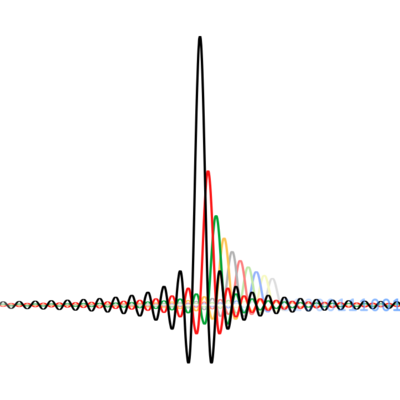
@nprofile1q... yeah, never keep time in floating point; it's typically not a thing where that makes a lot of sense (this was learned by SDR software *several* times). Your timestamps should just be int64 multiples of some pre-defined time quantum, and you'll be fine. You don't need sub-attosecond accuracy, and neither do you need to be able to measure in millions of years; the fixed 64 bit range suffices.