

Here's Where Rent Growth In The US Is Finally Slowing
Here's Where Rent Growth In The US Is Finally Slowing
After years of rapid increases, rent growth in the U.S. is finally slowing—and in some cities, prices are even declining, according to https://www.marketwatch.com/story/rents-are-finally-falling-in-some-parts-of-the-country-heres-who-is-actually-feeling-the-relief-08d1a6dd?gaa_at=eafs&gaa_n=AWEtsqfizAA3wK3LrUoEBVnJ1yIoMyHPTuHQqVShxzUTnHQTybn03gTzRrxAbNiei-Q%3D&gaa_ts=69c13821&gaa_sig=Bi4Ilw2lH1Fo32HmiHVBkAHrHHzuyzyvyWTMhM3EE07psve2FB5zK0_LrREMzlr6P7jcMdMY0wMBeDMAb9ofLw%3D%3D.
From January 2025 to January 2026, rents rose 2.8%, a smaller increase than the year before and lower than pre-pandemic norms, marking the slowest growth since 2021. This cooling trend, driven in part by a surge in new housing supply, suggests the market is stabilizing after an intense period of price escalation. At the same time, easing inflation, steady mortgage rates around 6%, and rising wages could gradually improve overall housing affordability and give households more purchasing power.
Still, housing continues to feel expensive for most Americans because prices surged dramatically during the pandemic and have remained elevated. Income growth hasn’t kept pace, leaving many households stretched and limiting how much relief people actually feel.
Even though rent increases have nearly stalled—growing just over 1% annually in some segments—prices are still significantly higher than they were five years ago, with some cities seeing increases far above the national average. As a result, about half of renters spend more than 30% of their income on housing, underscoring the ongoing affordability crisis.
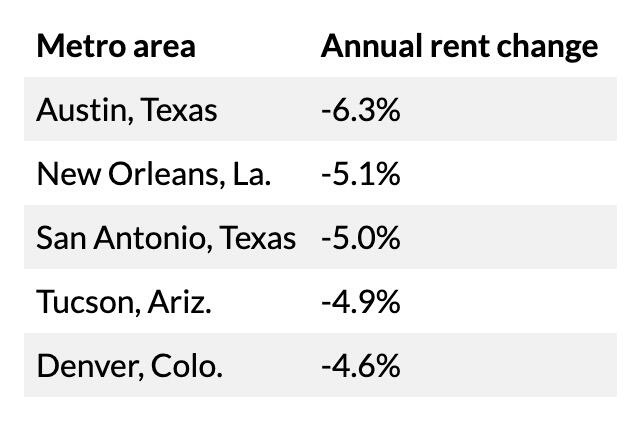
Marketwatch https://www.marketwatch.com/story/rents-are-finally-falling-in-some-parts-of-the-country-heres-who-is-actually-feeling-the-relief-08d1a6dd?gaa_at=eafs&gaa_n=AWEtsqfizAA3wK3LrUoEBVnJ1yIoMyHPTuHQqVShxzUTnHQTybn03gTzRrxAbNiei-Q%3D&gaa_ts=69c13821&gaa_sig=Bi4Ilw2lH1Fo32HmiHVBkAHrHHzuyzyvyWTMhM3EE07psve2FB5zK0_LrREMzlr6P7jcMdMY0wMBeDMAb9ofLw%3D%3D that recent rent declines also haven’t been evenly distributed. The biggest drops are concentrated in fast-growing Sun Belt cities like Austin, where rents have fallen notably from their 2022 peaks, along with places such as New Orleans and Denver. However, these declines often follow unusually steep increases in prior years.
Meanwhile, higher-income renters have benefited more from the recent slowdown, as prices for more expensive units have softened the most. This has pulled down overall averages, making the market appear more affordable than it feels for many.
In contrast, lower-cost rentals saw sharper increases during the boom and have experienced little meaningful relief since. Prices for these units rose faster between 2019 and 2025 and have not declined as much, leaving lower-income renters with fewer gains from the current slowdown. Overall, while the cooling rent market is a step in the right direction, it hasn’t yet translated into widespread affordability, and financial pressure remains especially high for those already most burdened by housing costs.
https://cms.zerohedge.com/users/tyler-durden
Tue, 03/24/2026 - 21:00
https://www.zerohedge.com/markets/heres-where-rent-growth-us-finally-slowing
Here's Where Rent Growth In The US Is Finally Slowing
After years of rapid increases, rent growth in the U.S. is finally slowing—and in some cities, prices are even declining, according to https://www.marketwatch.com/story/rents-are-finally-falling-in-some-parts-of-the-country-heres-who-is-actually-feeling-the-relief-08d1a6dd?gaa_at=eafs&gaa_n=AWEtsqfizAA3wK3LrUoEBVnJ1yIoMyHPTuHQqVShxzUTnHQTybn03gTzRrxAbNiei-Q%3D&gaa_ts=69c13821&gaa_sig=Bi4Ilw2lH1Fo32HmiHVBkAHrHHzuyzyvyWTMhM3EE07psve2FB5zK0_LrREMzlr6P7jcMdMY0wMBeDMAb9ofLw%3D%3D.
From January 2025 to January 2026, rents rose 2.8%, a smaller increase than the year before and lower than pre-pandemic norms, marking the slowest growth since 2021. This cooling trend, driven in part by a surge in new housing supply, suggests the market is stabilizing after an intense period of price escalation. At the same time, easing inflation, steady mortgage rates around 6%, and rising wages could gradually improve overall housing affordability and give households more purchasing power.
Still, housing continues to feel expensive for most Americans because prices surged dramatically during the pandemic and have remained elevated. Income growth hasn’t kept pace, leaving many households stretched and limiting how much relief people actually feel.
Even though rent increases have nearly stalled—growing just over 1% annually in some segments—prices are still significantly higher than they were five years ago, with some cities seeing increases far above the national average. As a result, about half of renters spend more than 30% of their income on housing, underscoring the ongoing affordability crisis.
Marketwatch https://www.marketwatch.com/story/rents-are-finally-falling-in-some-parts-of-the-country-heres-who-is-actually-feeling-the-relief-08d1a6dd?gaa_at=eafs&gaa_n=AWEtsqfizAA3wK3LrUoEBVnJ1yIoMyHPTuHQqVShxzUTnHQTybn03gTzRrxAbNiei-Q%3D&gaa_ts=69c13821&gaa_sig=Bi4Ilw2lH1Fo32HmiHVBkAHrHHzuyzyvyWTMhM3EE07psve2FB5zK0_LrREMzlr6P7jcMdMY0wMBeDMAb9ofLw%3D%3D that recent rent declines also haven’t been evenly distributed. The biggest drops are concentrated in fast-growing Sun Belt cities like Austin, where rents have fallen notably from their 2022 peaks, along with places such as New Orleans and Denver. However, these declines often follow unusually steep increases in prior years.
Meanwhile, higher-income renters have benefited more from the recent slowdown, as prices for more expensive units have softened the most. This has pulled down overall averages, making the market appear more affordable than it feels for many.
In contrast, lower-cost rentals saw sharper increases during the boom and have experienced little meaningful relief since. Prices for these units rose faster between 2019 and 2025 and have not declined as much, leaving lower-income renters with fewer gains from the current slowdown. Overall, while the cooling rent market is a step in the right direction, it hasn’t yet translated into widespread affordability, and financial pressure remains especially high for those already most burdened by housing costs.
https://cms.zerohedge.com/users/tyler-durden
Tue, 03/24/2026 - 21:00
https://www.zerohedge.com/markets/heres-where-rent-growth-us-finally-slowing
1❤️1
