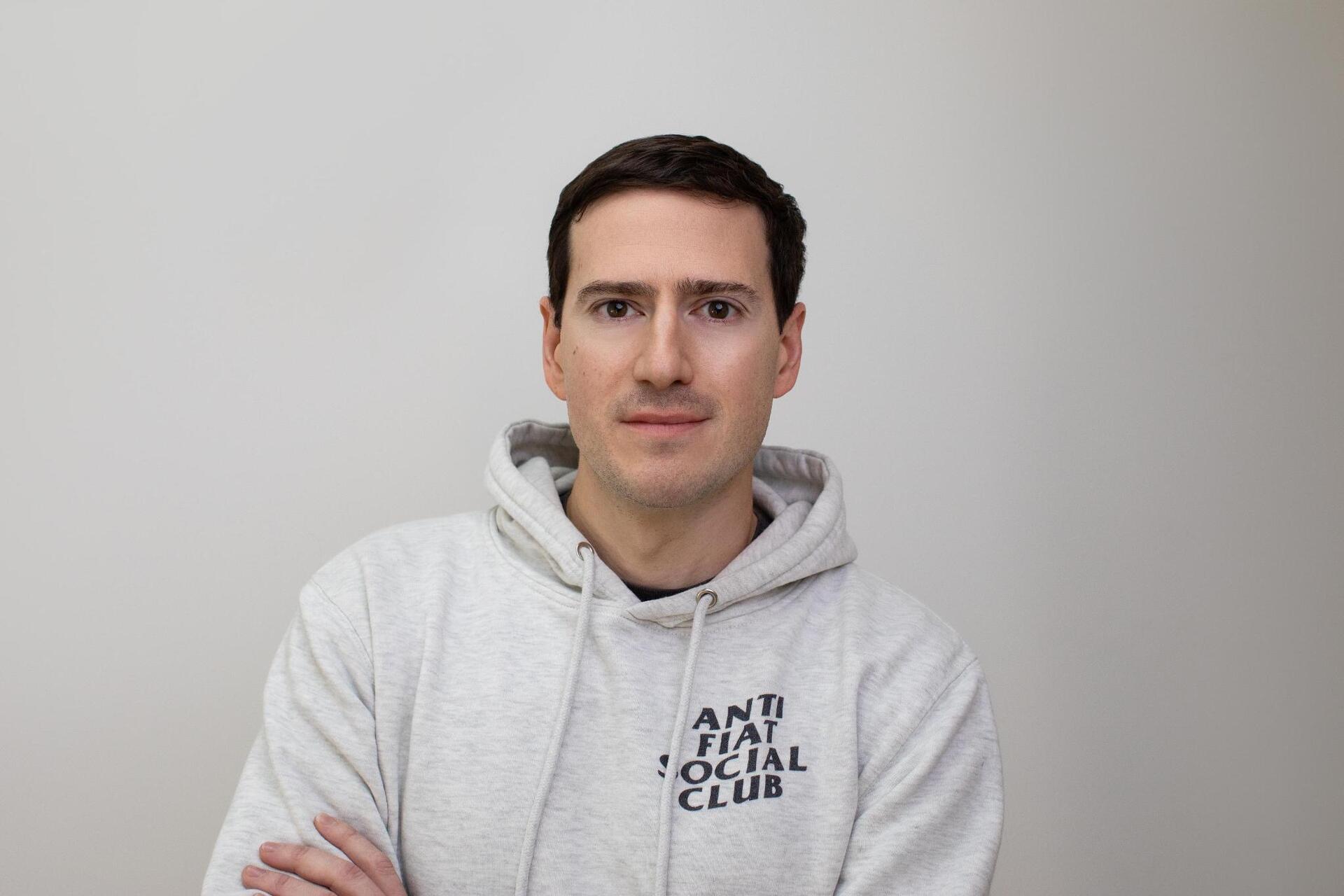
My essay from the Wall Street Journal today:
Bitcoin’s Overlooked Promise: Freedom
More than an investment, bitcoin offers economic security where traditional money and rights fail.
***
Bitcoin was launched in January 2009 in direct response to the Great Financial Crisis. In the wake of the biggest economic crash since the 1930s—during which 10 million Americans lost their homes, nearly $20 trillion in U.S. household wealth was destroyed, half the U.S. stock market was wiped out and nearly 9 million Americans lost their jobs—only one banker went to jail. Instead of jail time, the financial industry received a $443 billion bailout.
Satoshi Nakamoto’s invention was a protest and demonstration: We could have another kind of money and financial system—one where the people were in control, and where we could transact with each other and save without relying on the governments and corporations that betrayed us so badly.
For Americans, bitcoin has been a spectacular success. Since its creation, it has been the single greatest investment on Earth, rising in price from less than a penny to more than $75,000. Any American can transact with any other American in total freedom on the bitcoin network. Dozens of American companies have thrived and even become unicorns brokering bitcoin, mining bitcoin and providing bitcoin services. This year, more than 4 million small businesses in Square’s merchant network are coming online, allowing Americans to spend bitcoin and use it as money in their neighborhoods and communities.
Beyond the American Market
But the U.S. is just a small part of the story. For most people on Earth, their money is horribly broken. 87% of the world—about 7.2 billion people—lives either under collapsing economies or authoritarian regimes. Only 4% of humans use the dollar as their native, salary-earning currency. Fewer than 10% of humans live in strong liberal democracies with robust free markets and property rights. The average person on this planet uses a currency that might experience 10%, 20% or 30% inflation in a year. They can’t use their currency to buy things at major online stores and can’t access U.S. stocks or bonds. Their savings technologies are most likely stacks of paper currency, cattle, cinder blocks or sheet metal.
When dollar users dismiss bitcoin, they aren’t simply ignoring its origin story as a protest against a corrupt system—they are blinded by their financial privilege. Americans enjoy easy ways to send money to friends and family, a variety of quality ways to save for their future and seamless merchant payments. They take this for granted. Most people on this planet struggle to send money, save and pay.
When dollar users dismiss bitcoin, they aren’t simply ignoring its origin story as a protest against a corrupt system—they are blinded by their financial privilege.
In Nigeria, Africa’s most populous country, citizens have lost nearly 75% of their purchasing power against the dollar since 2020. In Egypt, the Arab world’s most populous country, citizens have lost nearly 70%. In Pakistan, the world’s fifth-most-populous country, citizens have lost 45%. In India, the world’s most populous country, citizens have lost 20%. Citizens of some regional powers like Turkey and Argentina have seen their currency wiped out by more than 90%.
Authoritarianism poses different challenges. In Russia, China, Nicaragua, Belarus, Iran and elsewhere, the bank accounts of human-rights defenders and civil-society groups are routinely frozen for “suspicious” activity. Donations from foreign organizations are typically illegal, leaving these groups struggling to use the existing banking system to keep their operations going.
A Promise Beyond Currency
Here’s where bitcoin becomes a tool of freedom and survival. Since 2020, bitcoin users have seen an overall return of more than 1,000%. Instead of losing 99% of their wage value, Cubans, Lebanese and Zimbabweans who chose to save in bitcoin when the pandemic hit have seen their wages increase by 15 times. Instead of being frozen with no way to pay their teams, human-rights groups such as the Anti-Corruption Foundation in Russia and the Feminist Coalition in Nigeria were able to keep operations going with bitcoin, a currency no dictator can freeze.
Even if traditional money and payment systems work well enough for most of us Americans, given the legacy of the Great Financial Crisis, we should be able to appreciate what bitcoin has given us: a world in which “transaction denied” doesn’t exist. A world in which we—and no one else—control our own savings. A world in which we do not have to ask for permission to buy what we want and to transact with whomever we want.
Bitcoin has played a vital role for hundreds of millions of people around the world far less fortunate than us, whose financial systems didn’t get a half-trillion-dollar bailout. Maybe bitcoin isn’t for you, but it is for them.
https://partners.wsj.com/the-nakamoto-project/bitcoin-reframed/bitcoins-overlooked-promise-freedom/
Bitcoin’s Overlooked Promise: Freedom
More than an investment, bitcoin offers economic security where traditional money and rights fail.
***
Bitcoin was launched in January 2009 in direct response to the Great Financial Crisis. In the wake of the biggest economic crash since the 1930s—during which 10 million Americans lost their homes, nearly $20 trillion in U.S. household wealth was destroyed, half the U.S. stock market was wiped out and nearly 9 million Americans lost their jobs—only one banker went to jail. Instead of jail time, the financial industry received a $443 billion bailout.
Satoshi Nakamoto’s invention was a protest and demonstration: We could have another kind of money and financial system—one where the people were in control, and where we could transact with each other and save without relying on the governments and corporations that betrayed us so badly.
For Americans, bitcoin has been a spectacular success. Since its creation, it has been the single greatest investment on Earth, rising in price from less than a penny to more than $75,000. Any American can transact with any other American in total freedom on the bitcoin network. Dozens of American companies have thrived and even become unicorns brokering bitcoin, mining bitcoin and providing bitcoin services. This year, more than 4 million small businesses in Square’s merchant network are coming online, allowing Americans to spend bitcoin and use it as money in their neighborhoods and communities.
Beyond the American Market
But the U.S. is just a small part of the story. For most people on Earth, their money is horribly broken. 87% of the world—about 7.2 billion people—lives either under collapsing economies or authoritarian regimes. Only 4% of humans use the dollar as their native, salary-earning currency. Fewer than 10% of humans live in strong liberal democracies with robust free markets and property rights. The average person on this planet uses a currency that might experience 10%, 20% or 30% inflation in a year. They can’t use their currency to buy things at major online stores and can’t access U.S. stocks or bonds. Their savings technologies are most likely stacks of paper currency, cattle, cinder blocks or sheet metal.
When dollar users dismiss bitcoin, they aren’t simply ignoring its origin story as a protest against a corrupt system—they are blinded by their financial privilege. Americans enjoy easy ways to send money to friends and family, a variety of quality ways to save for their future and seamless merchant payments. They take this for granted. Most people on this planet struggle to send money, save and pay.
When dollar users dismiss bitcoin, they aren’t simply ignoring its origin story as a protest against a corrupt system—they are blinded by their financial privilege.
In Nigeria, Africa’s most populous country, citizens have lost nearly 75% of their purchasing power against the dollar since 2020. In Egypt, the Arab world’s most populous country, citizens have lost nearly 70%. In Pakistan, the world’s fifth-most-populous country, citizens have lost 45%. In India, the world’s most populous country, citizens have lost 20%. Citizens of some regional powers like Turkey and Argentina have seen their currency wiped out by more than 90%.
Authoritarianism poses different challenges. In Russia, China, Nicaragua, Belarus, Iran and elsewhere, the bank accounts of human-rights defenders and civil-society groups are routinely frozen for “suspicious” activity. Donations from foreign organizations are typically illegal, leaving these groups struggling to use the existing banking system to keep their operations going.
A Promise Beyond Currency
Here’s where bitcoin becomes a tool of freedom and survival. Since 2020, bitcoin users have seen an overall return of more than 1,000%. Instead of losing 99% of their wage value, Cubans, Lebanese and Zimbabweans who chose to save in bitcoin when the pandemic hit have seen their wages increase by 15 times. Instead of being frozen with no way to pay their teams, human-rights groups such as the Anti-Corruption Foundation in Russia and the Feminist Coalition in Nigeria were able to keep operations going with bitcoin, a currency no dictator can freeze.
Even if traditional money and payment systems work well enough for most of us Americans, given the legacy of the Great Financial Crisis, we should be able to appreciate what bitcoin has given us: a world in which “transaction denied” doesn’t exist. A world in which we—and no one else—control our own savings. A world in which we do not have to ask for permission to buy what we want and to transact with whomever we want.
Bitcoin has played a vital role for hundreds of millions of people around the world far less fortunate than us, whose financial systems didn’t get a half-trillion-dollar bailout. Maybe bitcoin isn’t for you, but it is for them.
https://partners.wsj.com/the-nakamoto-project/bitcoin-reframed/bitcoins-overlooked-promise-freedom/
1920❤️42🤙9❤️3❤1👍1💜1