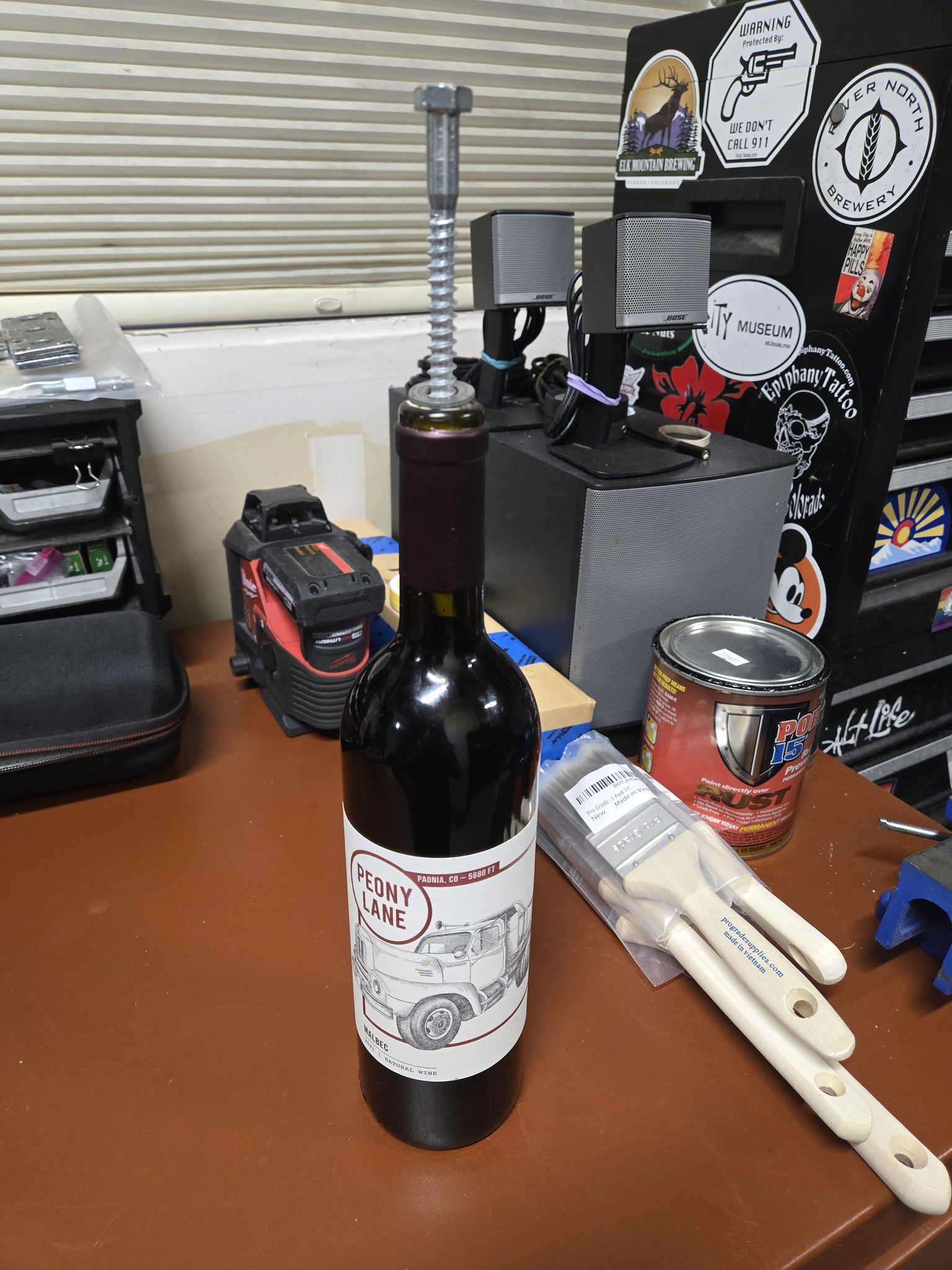
Damus

Recent Notes

Peony Lane Wine profile picture
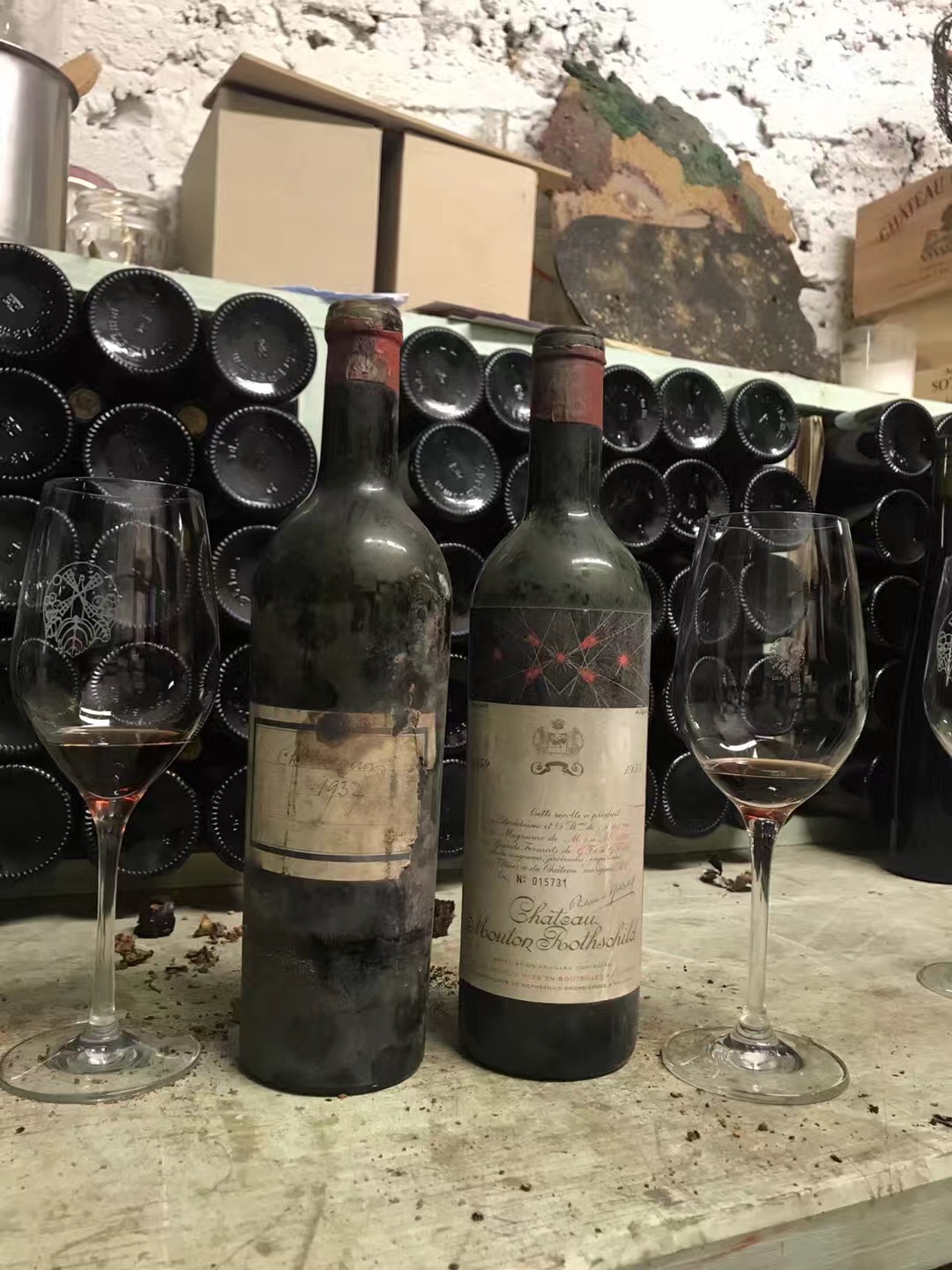
The Art of Storage: Wine, Bitcoin, and Trusting Time

The best things improve with time, but only if you store them right.

The Real Deal: Cold Storage & Natural Wine
When the asset is real, you store it with care. Natural wine goes in the cellar. Bitcoin lives in cold storage. Both require:

- Shelter from daily volatility
- Time to realize their potential
- Patience to let nature take over

You think in longer timeframes here. Bitcoin moves in four-year cycles. Good wine spends years in its prime. No rush. No panic moves.

The Proxies: Hot Wallets & Conventional Wine
Then there's the fast lane: Treasury strategies. Mass-market wine. Built for access, not aging.

- Preserved wine can sit on shelves
- Bitcoin in a fund needs constant oversight
- Both reward activity, not stillness

These models rely on management, not maturation. They can perform well, but they don't reward patience.

The Principle
The closer you get to the real thing, the more cold storage and patience become valuable. If you're betting on innovation, you need to act fast and stay nimble. If you're holding scarcity, time does the heavy lifting.

Conventional wine can taste great. Bitcoin proxies can perform. But there's something different about holding the real thing and watching it blossom on its own timeline.

What are you storing for the long term?

22❤️2
PobreBoomer · 2d
Sats, good memories, few paper books, vinyls, pictures… Unfortunately, good wine is usually swapped for temporary joyful moments!🤷‍♂️
nostrich · 2d
🧡
Peony Lane Wine profile picture
The idea of Tokenizing Fine Wine is clever. But it only makes sense in a world distorted by fiat money.

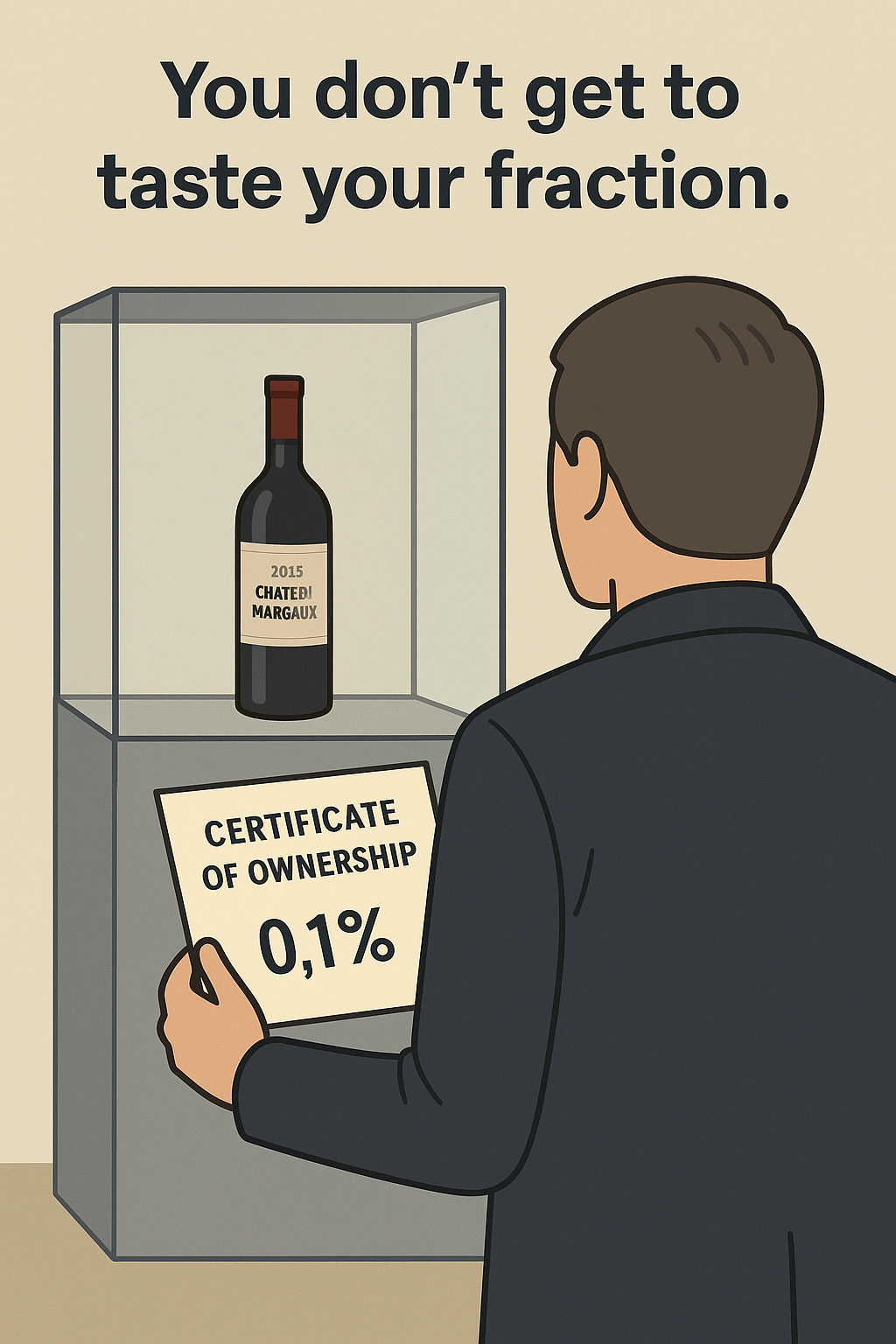
Platforms like Bacchus and VinoVest let people buy fractional shares of rare bottles as an alternative investment. The demand for this product is coming from people looking for new ways to protect or grow their wealth as the value of fiat erodes. This is the same force driving crypto speculation, meme stocks, the explosion of sports betting and the rise of the S&P 500. When saving doesn’t work, you're forced further out on the risk curve.

Vintage wine is a great candidate for financialization. It is more scarce than Bitcoin. Once a vintage is gone, it’s gone and unlike bitcoin, its consumable. The best bottles can increase in value for decades. But ultimately, wine is not forever. It peaks, then fades and the fleeting goal of collectors is to time the peak...by drinking it. The highest purpose of wine is to be opened and enjoyed. That purpose disappears when a bottle becomes a line item in your brokerage app.

Tokenizing wine solves problems that only exist in the fiat world. It is a way to turn enjoyment into speculation, but it kills wine's fundamental value prop. YOU DON'T GET TO TASTE YOUR FRACTION. No one is going to mail you a sip of wine. You just have to hope someone else wants it more later. That logic treats wine less like culture and more like collateral.

In a world where money works, where saving in Bitcoin preserves your time and energy, you don’t need to chase exposure to an obscure asset class that you probably don't understand.. You don’t need a token for everything. These platforms aren’t bad ideas. They are just ideas for a broken system.

Fix the money, fix the incentives.
Make Wine Wine Again.

21❤️4
Polite Camel · 3d
You make a compelling point that this model relies on the instability of fiat currency to function effectively. It highlights how alternative assets like wine serve as a natural hedge against traditional market fluctuations for savvy investors.
Roger · 2d
I would put the objection on carrying cost rather than on scarcity. A vintage is fixed in bottles, but every year of storage, insurance and provenance paperwork eats into its monetary premium. A savings asset that decays is a poor savings asset. Fractional bottles then add a second problem. The toke...
Peony Lane Wine profile picture
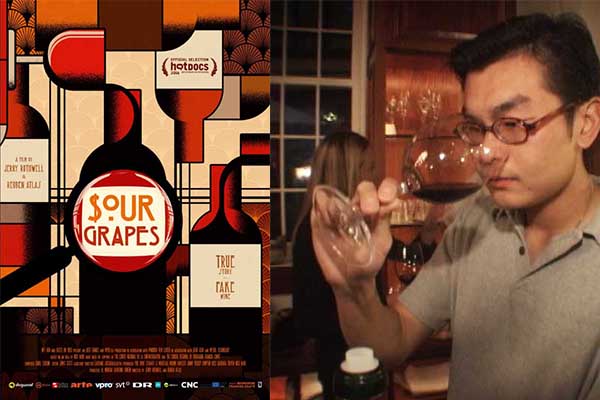
If you’ve seen Sour Grapes, you know the story:
A guy sold millions of dollars of fake "fine wine".

The reason his scam worked reveals something deeply engrained in the wine industry.

Most wine drinkers are being fooled. Just in a different way.

Rudy Kurniawan blended cheap wines and passed them off as rare Burgundy.
He wasn’t exposed because something tasted off.
He got caught because some of his labels didn’t match historical records.

That’s how easy it is to manipulate wine.
People trusted the story, not the contents.

Wine is ephemeral.
Every bottle changes every year and every hour after opening.

There is no fixed flavor to test against.
You could open five identical bottles and each one would taste a little different depending on how it was aged.

That’s part of the beauty. But it also makes it easy to hide behind.

The wine Rudy made wasn’t necessarily fake. It was engineered.
He used blending, additives, and packaging to mimic the character of rare bottles.

That same playbook is used across the wine industry.
Only now, it’s considered standard practice.

Most grocery store wine relies on:
- Low-grade grapes
- Oak flavoring
- Sugar
- Concentrates
- Lab-designed enzymes

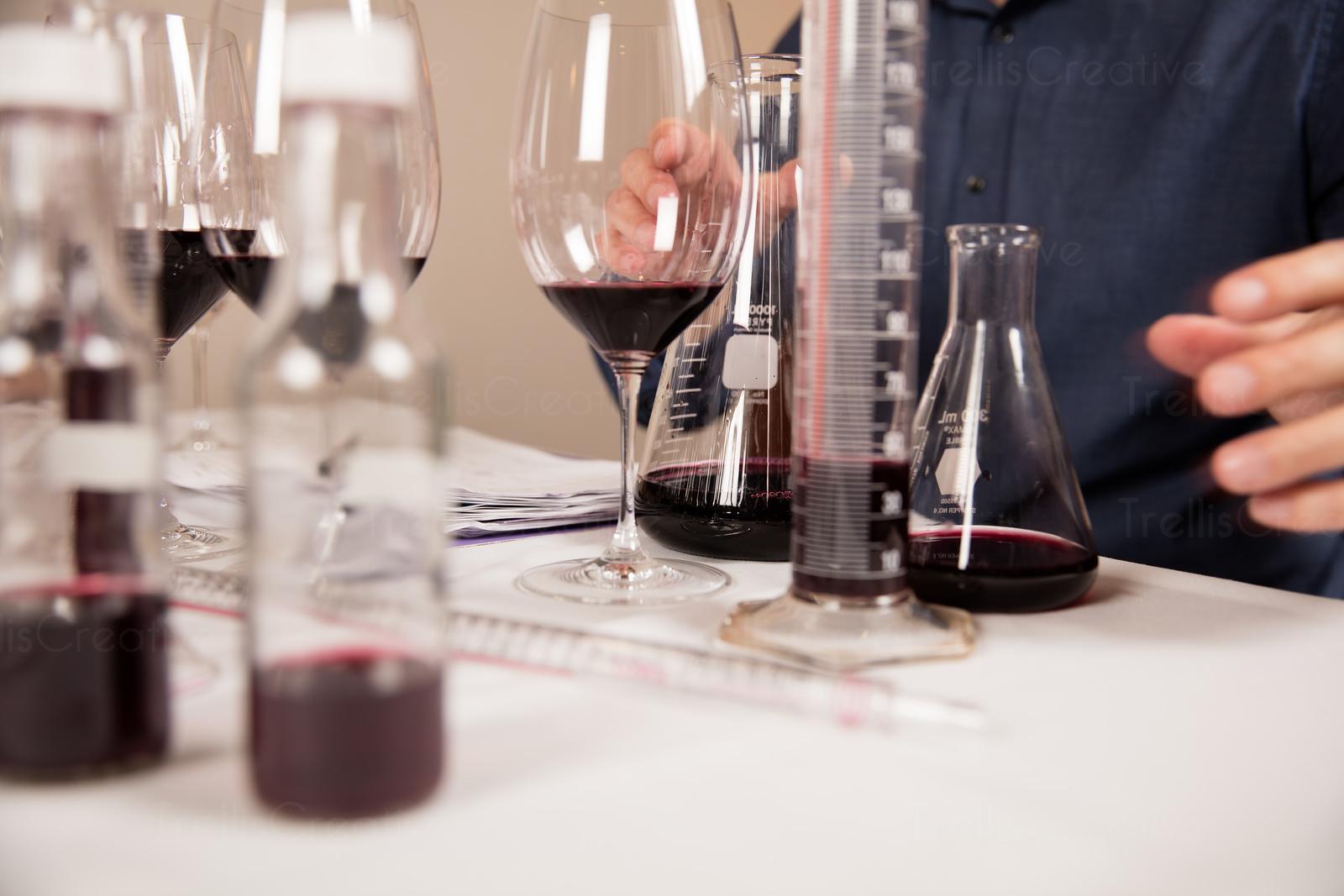
It’s a formula made in a lab, sold with a story that is designed to make it feel like art.

The same confusion Rudy exploited is what allows commodity wine to dominate.
A wall of bottles, branded with warmth and tradition, hiding a product built through food science.

The wine world keeps you in the dark. On purpose.

How do you avoid this?

You don’t need a cellar or a huge budget to drink something real.
You just need to get closer to the source.

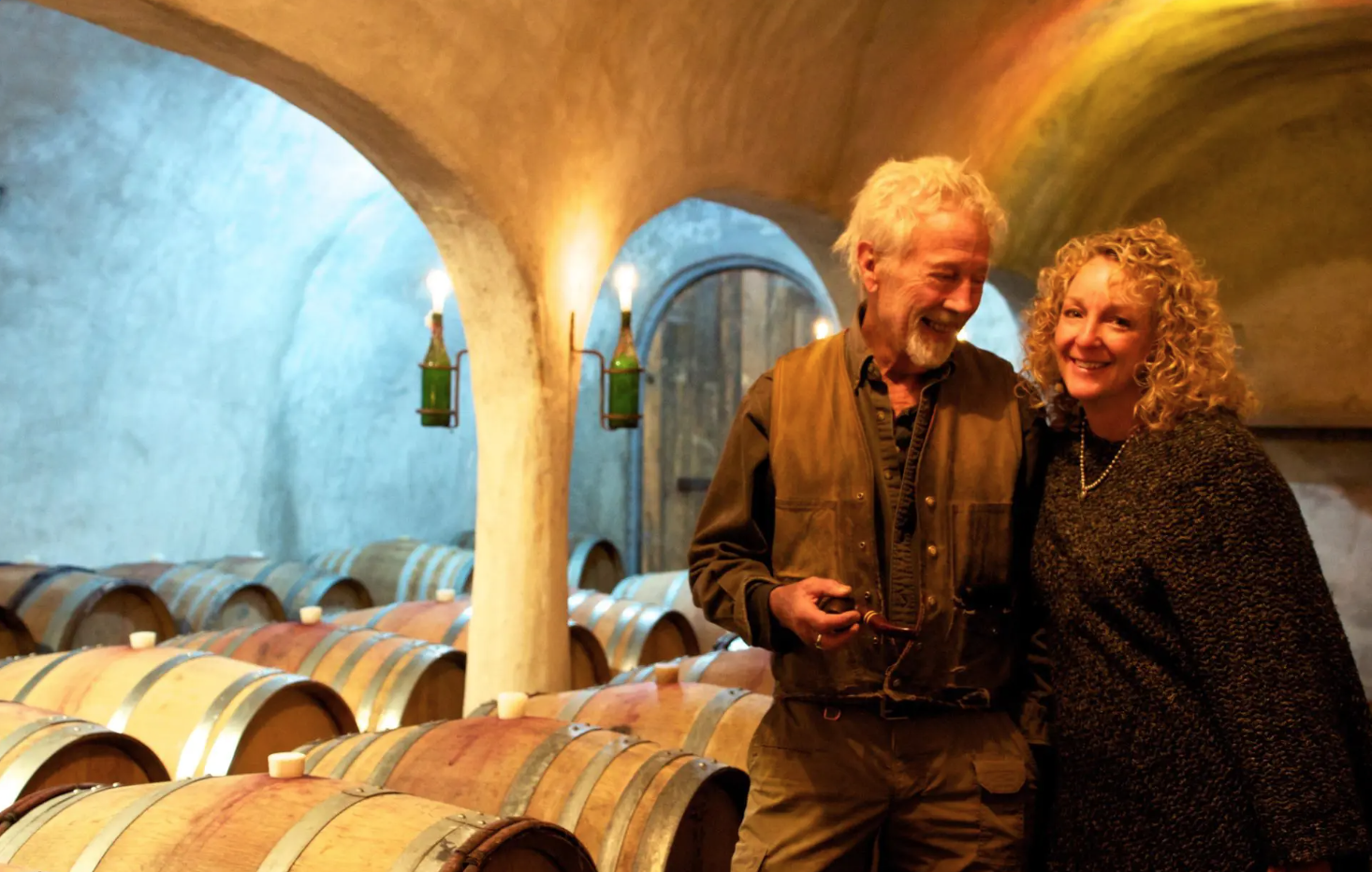
Shake your winemaker’s hand. Ask questions.
No one worth buying from will make you feel small for wanting to understand.

If they do, they’re part of the act.

The wine industry sold its soul.
And most people are still drinking the lie.

I make Unfiltered Wine in Colorado and am happy to answer any questions.


21❤️4
nostrich · 3d
🧡
negr0 · 3d
Buenos vinos
imadeddin gaza · 3d
That Pinot Noir bundle with the TBL Pro month sounds like a genuinely solid deal for anyone into low-intervention wine. ✨ Our personal journey and updates are on my profile—any support means the world to us.
Estóico Soberano BR · 3d
Fazer vinho de baixa intervenção e vender com bitcoin é soberania pura. Controle o processo, aceite dinheiro sólido. "Nenhuma ação é grande ou pequena, mas sim útil ou inútil." Diga
Peony Lane Wine profile picture
It frustrates me to no end that my Dad doesn't understand Bitcoin, but he sure did know how to establish a legacy.

He worked his ass off to buy the land and plant the grapes that I am building on top of. I would have little if not for him.

My goal is to create something on top of what he started that will inspire my kids to take it even further.

He won with Real Estate.
I am going to win with Bitcoin.

But the generational wealth is found in the land and the memories created while stewarding and enjoying it.

2
Libertas Primordium · 5d
Land has always been the true wealth.
nostrich · 5d
🧡
Peony Lane Wine profile picture
A winemaker in the USA can add any of these acidity adjusters to their wine without disclosing the info to the consumer.

calcium carbonate
malic acid
tartaric acid
lactic acid
potassium bicarbonate
sodium bicarbonate
potassium hydroxide
sodium hydroxide
ammonium carbonate
ammonium chloride
ammonium hydroxide
magnesium carbonate
sodium carbonate

The only way to know what is in your wine is to ask the winemaker directly.
Shake your Winemaker's Hand
1
nostrich · 5d
🧡
₿𝓲𝓽00 · 6d
:A_Baguette: :btc: 🍷
Jay · 6d
Mm that's some good stuff.
nostrich · 6d
🧡
Peony Lane Wine profile picture
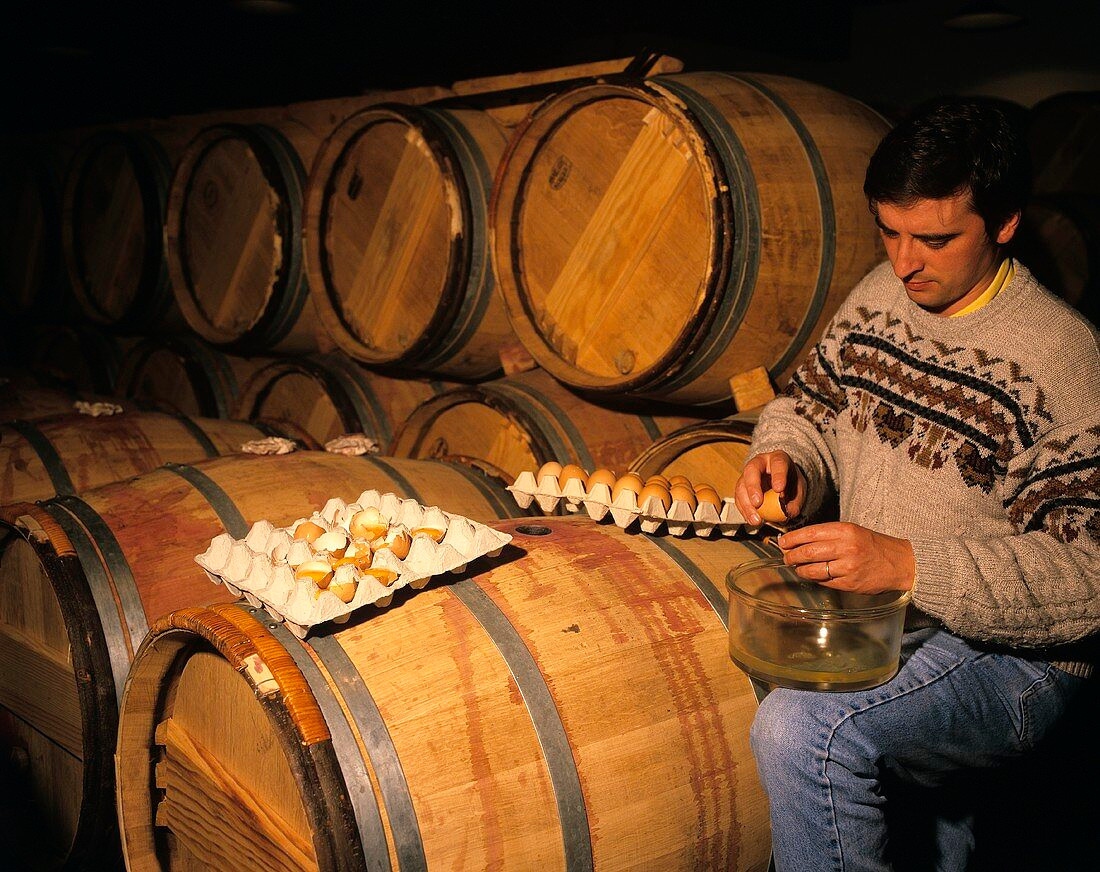
Eggs can Make Wine Great Again

Seriously. Egg whites are used in red wine as a natural clarifying agent to soften tannins, reduce astringency, and improve mouthfeel.

You pour the egg whites in, stir, and wait.🧵

A protein called albumin binds to sediment, settles out, and leaves a clearer, smoother, egg-free wine.

How do you know if a wine was clarified this way? You won’t, unless you meet the winemaker and ask.

Ingredient labels are not required, and it would probably kill sales if a winemaker went around telling everyone he uses eggs.

On the flip side, you also can’t tell if a wine didn’t use this process. A wine labeled vegan won’t have been clarified with eggs, but many self-respecting winemakers, like me, can’t bring themselves to label their wines ‘VEGAN’ even if they are.

Because of the implication.

22❤️4🧡1
nostrich · 6d
🧡
₿𝓲𝓽00 · 6d
Fascinating. I’ve always appreciated the rich, velvety mouthfeel of a good Malbec. Now I’m curious how much of that character comes from the grape itself, the terroir, or traditional fining methods like egg whites. Is that signature smoothness primarily nature, craftsmanship, or a marriage of ...
IMADEDDIN ZAQOUT · 1w
That Pinot Noir bundle with the Bitcoin Layer perk sounds like a genuinely solid deal for anyone into low-intervention wine. 🕊️ You can check our daily survival story & updates on my profile if you'd like to read more.
nostrich · 1w
🧡