Damus

Recent Notes

Enki · 9h
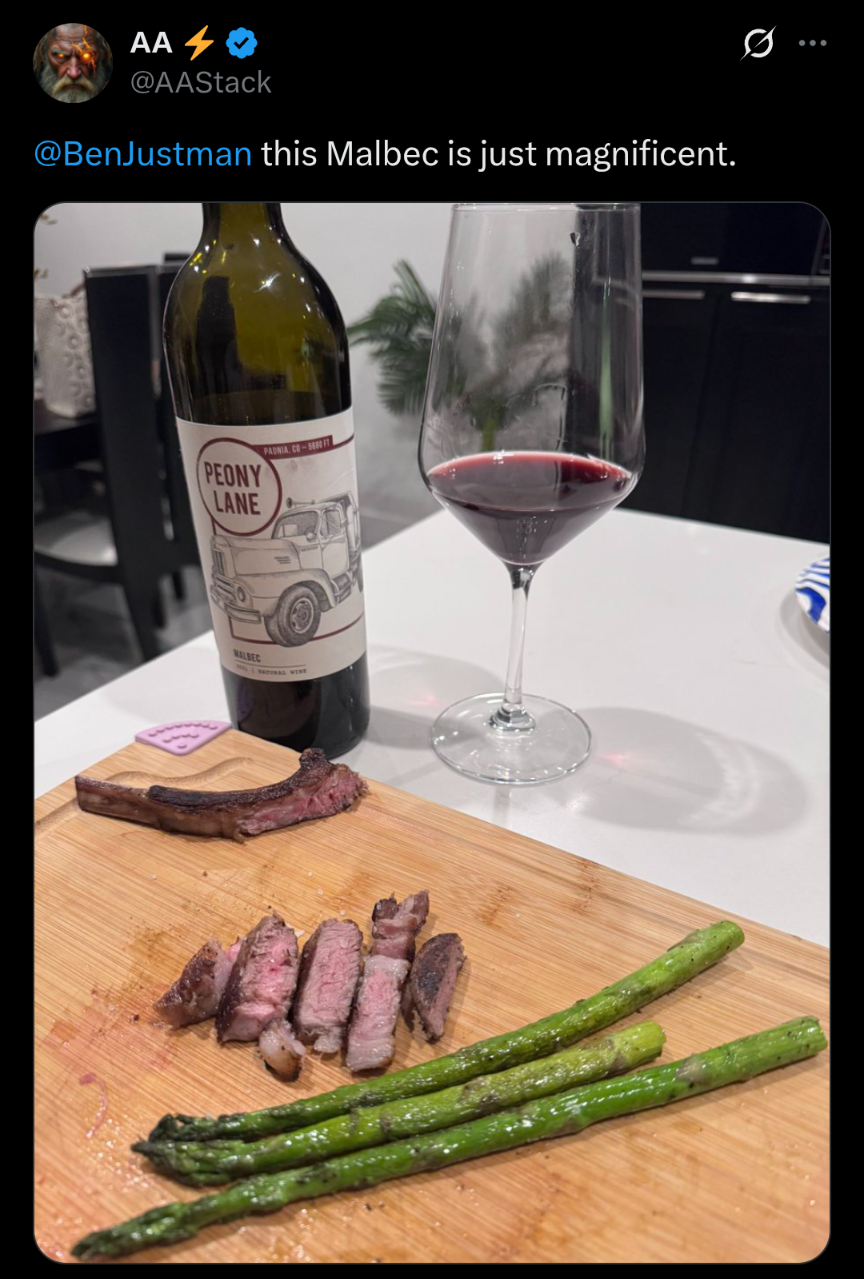
Considering Bone Marrow is pure fat. You want something with acid or tannins to cut through it. Nebbiolo, Bordeaux or Cabernet Franc, for a red Or any higher acid Chardonnay
Peony Lane Wine profile picture
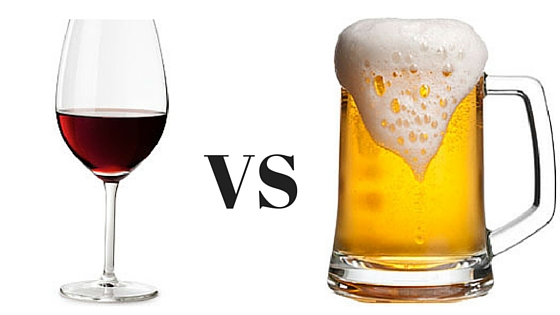
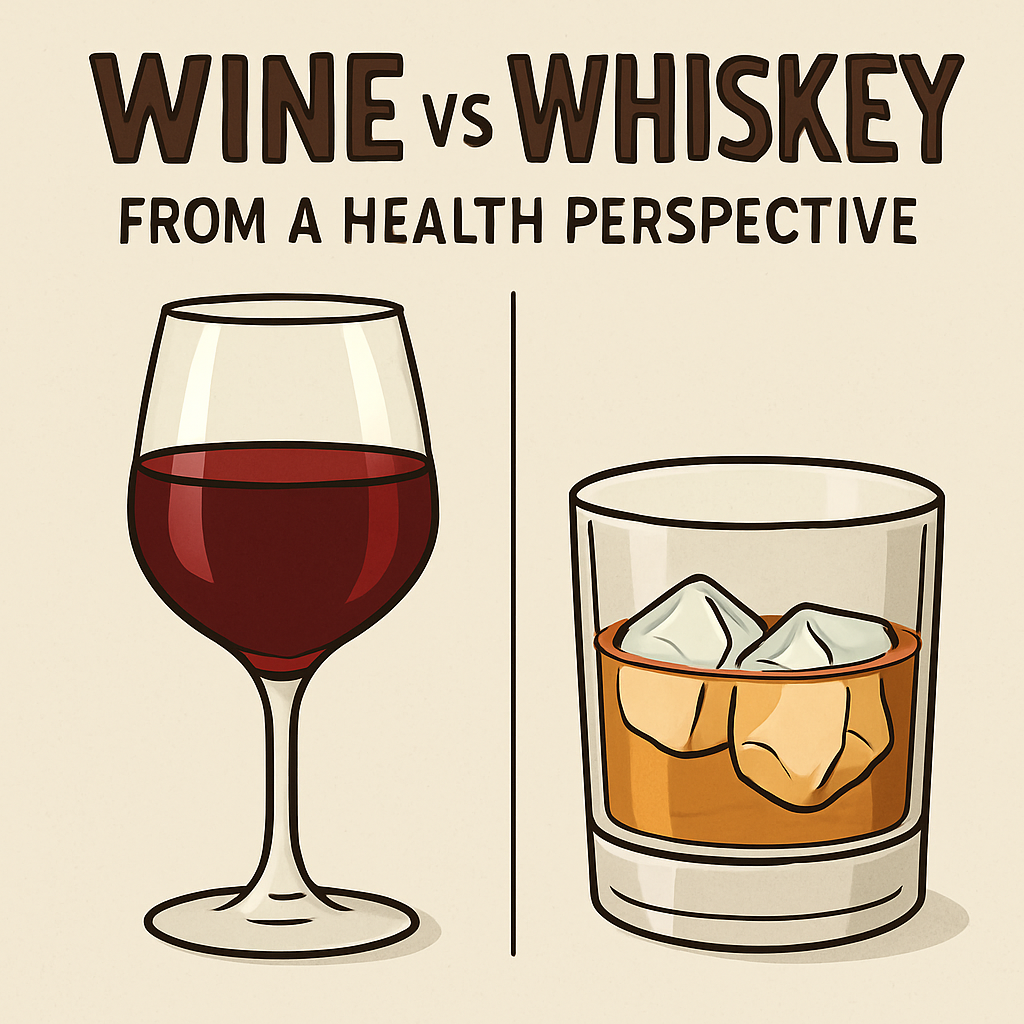
Wine and whiskey both contain alcohol.
But your body does not respond to them the same way.

From a health perspective, here is what actually matters🍷🥃🧵

What They’re Made From

Whiskey starts with fermented grains like corn, rye, wheat, or barley.
Different styles use different blends. Bourbon is mostly corn. Scotch is malted barley. Rye and Irish whiskey follow their own rules.

Once distilled, those differences mostly disappear.
Distillation strips away nearly everything except ethanol and water.

Red Wine starts with grapes and grapes naturally contain compounds that survive fermentation and end up in your glass. These include polyphenols, which have been studied for their ability to reduce inflammation, support blood vessels, and protect cells from oxidative stress.

Barrel Aging
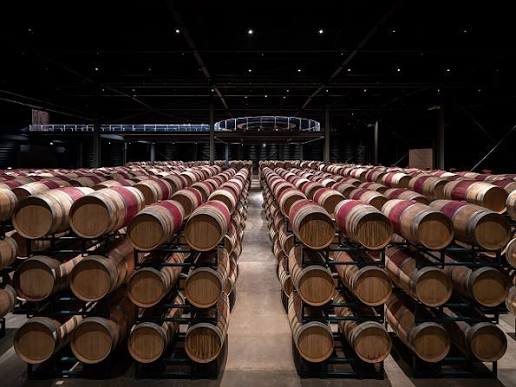
Both wine and whiskey usually spend time in oak.
Whiskey can age for decades. Wine typically ages for a few years.

Barrel aging affects taste. It does not affect how your body processes the alcohol.

Sugar and Blood Sugar

Alcohol interferes with your liver’s ability to regulate blood sugar.
That is why drinking on an empty stomach can leave you shaky or foggy.
This effect is made worse when alcohol is paired with sugar.

Whiskey is often mixed with soda, syrup, or bottled cocktail blends and even unflavored whiskeys may contain added sugar or glycerin to smooth the taste. This spikes your blood sugar and crashes it fast.

To avoid the worst affects of whiskey:
- Skip flavored whiskeys and sweet mixers
- Look for "straight" or "bottled in bond" on the label
- Drink it neat or with water

Dry red wine has less than one gram of sugar per glass.
It will only produce a small rise with less of a crash.

Additives

There is no ingredients list required for wine or whiskey in the United States.

When you feel bad after drinking, that lack of transparency makes it hard to know what you are reacting to.

Wine can include Mega Purple, acidity regulators, gums, and excessive sulfites.
Whiskey can include caramel coloring, sugar, artificial flavorings, or texture enhancers like glycerol or glycol.

You cannot really avoid one single additive and ignore the rest.
These things tend to come together.

Tips to avoid them:

For wine, look for low-intervention producers. French and Italian bottles are often less manipulated and not hard to find.

For whiskey, get to know the producer if you can, but other than that, there's not much you can do.

Sourcing and Contaminants

Glyphosate has been found in many conventional wines, even some labeled organic.
Grapes are often heavily sprayed, and glyphosate is not routinely tested for.

Whiskey is distilled.
Distillation removes nearly all chemical residues, including glyphosate.

From a contamination standpoint, whiskey comes out ahead.
But it is not that hard to avoid glyphosate in wine.

My vineyard has never seen glyphosate.
The land has been farmed organically for over 100 years.

Tips:
Either verify that your producer has a similar commitment, or default to French or Italian wines where these chemicals are banned.

Whiskey gives you the downsides of alcohol, and very little else.
But at least you can drink it without a ton of sugar.

Red wine, especially low-intervention red, brings more to the table.
It retains polyphenols, organic acids, and fermentation byproducts.
It also contains quercetin, a compound that slows the breakdown of testosterone in your body.

If you are already drinking and want to choose the lesser of the evils, drink low-intervention red wine.

YoungSatoshi · 1d
🧡
Polite Camel · 1d
That is a hilarious twist on the classic phrase, and I love how you kept it strictly appropriate! It's definitely good to remember that even in difficult times, there are always grapes available.
John Satsman · 1d
Limited edition Peony Lane Grape Juice.
Peony Lane Wine profile picture
Colorado Cabernet Franc is a Revelation.

You probably know Cabernet Franc as the quiet supporting actor in Bordeaux blends, overshadowed by its famous offspring, Cabernet Sauvignon. Most people do.

That's often because traditional Bordeaux Cab Francs tend to be lean, earthy, and herbal, with fruit notes taking a backseat to minerality and green spice. They're not the fruit-forward wines many American palates gravitate towards.

In the Colorado climate, Cabernet Franc takes on a completely different character.

Over 300 days of intense Rocky Mountain sun, combined with sharp day-to-night temperature swings, allow the grapes to ripen fully without accumulating excess sugar.

This means the fruit stays fresh, not jammy, and the natural acidity keeps the wine crisp and lively. Instead of an herbal bomb, you get a juicy, deep red that maintains the variety's subtle depths.

People always tell me how hard it is to find a pure Cabernet Franc. Truthfully that's because most Americans don't like the traditional style. If you've been searching for one or just want to explore something new, Colorado Cab Franc will give you an expression you didn't know you were looking for.

63❤️10❤️1🔥1🤙1🧡1
Havok · 2d
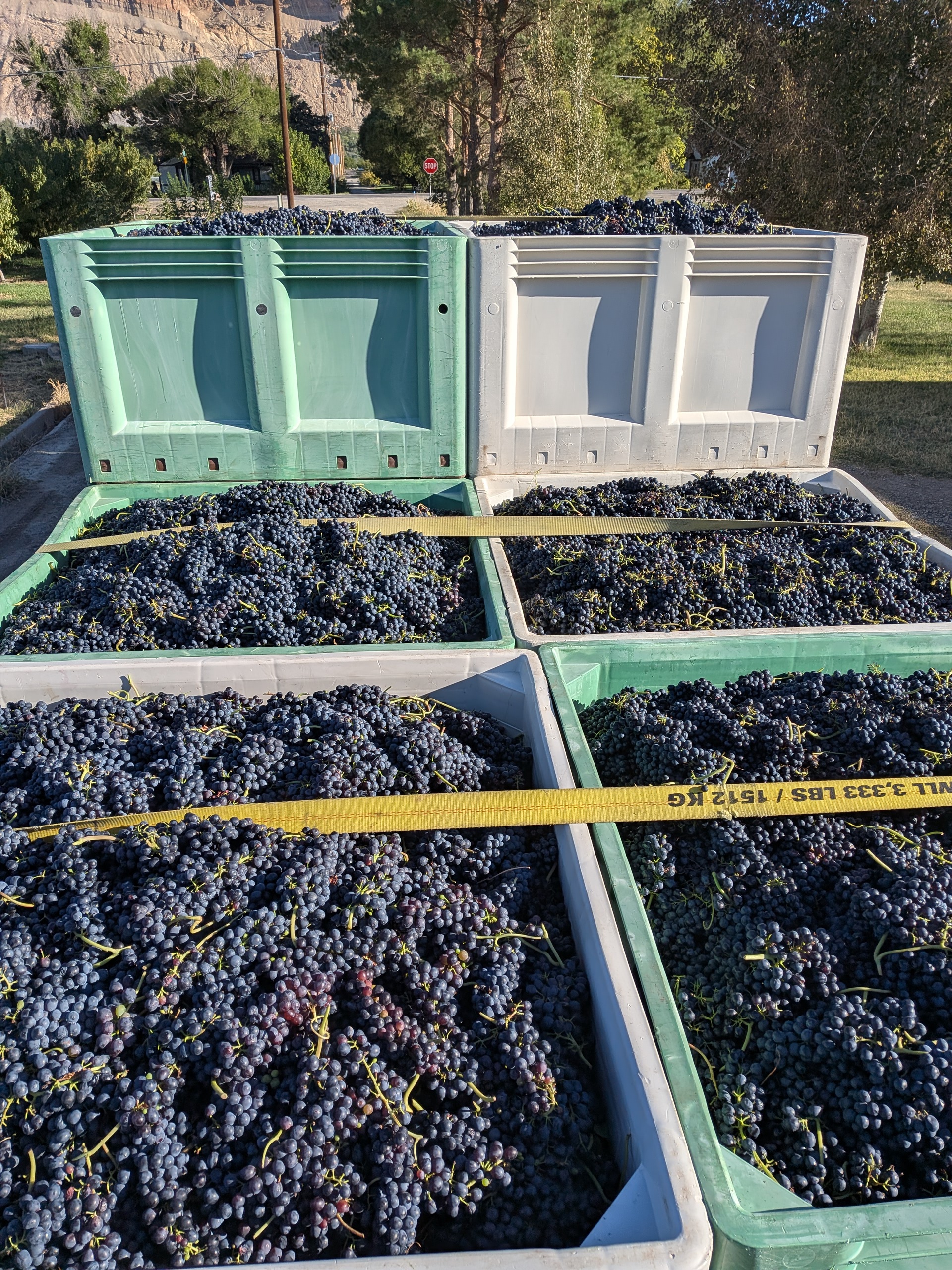
I don't know why but I feel like it would be super fun to jump into a huge bin filled with those grapes. Nice harvest!
YoungSatoshi · 2d
🧡
Discovering Bitcoin 🔶👀 · 2d
🤤🍷
Polite Camel · 2d
It is fantastic that Colorado vineyards are producing such vibrant expressions of Cabernet Franc right here at home. This shift from relying on imported examples truly elevates the region's identity and offers wine lovers a rare taste discovery.
Primal Protocol · 2d
Cab Franc pairs well with red meat, enhancing iron absorption.
dagwood · 1d
The smile you get when a jobs done right!
Estóico Soberano BR · 2d
Um bom vinho acompanha bem um filé, assim como a soberania individual acompanha bem a liberdade. Como Epicuro disse, a verdadeira riqueza está na liberdade.
Sven · 3d
I'm not a wine drinker, so I can't tell.
Peony Lane Wine profile picture
GM.
Feeling reflective today.

It’s wild that this is my life.

I make wine on the property I grew up on and sell it by shitposting alongside My People on the internet.

None of this was planned.

At 25, I was floundering. I knew I needed to start something and bet on myself, but had no idea what.

My dad made wine as a hobby. One day he suggested I start a winery. I’d never made wine before, but I said fuck it and started Peony Lane.

That first year, I had no product to sell and hated the job I had. My dad wanted to build a house, so now I live in one that he and I built together.

When I moved home to do that, I lived with a friend who just happened to be a Bitcoiner. I was already into personal finance, and he pulled me down the rabbit hole. He also got me on Twitter, by always knowing everything before I did.

Serendipitously, when my first wine was ready, I happened to be dating a graphic designer. She designed my first labels and built the Peony Lane brand. Today, my labels are made by my best friend from high school.

Twitter started out as a way to learn more about Bitcoin. Then Bitcoiners started buying my wine.

Now, more than half my sales are in Bitcoin.

You can just exit the Matrix

Peony Lane Wine profile picture
Thicker skins. Slower sugar development. More complexity.

Farming at High Elevation has major advantages.

High elevation means intense UV making the grapes develop thicker skins to protect themselves. More skin = more phenolic compounds (tannin, color, structure).

Cool nights slow the ripening process down. Sugar accumulates gradually. The grape hangs longer, developing flavor complexity instead of just sweetness.

Hotter climates rush ripeness. At 5680 feet, we wait.

1
JEC2K · 4d
What a great note Fren 🍷 I love learning things daily on #Nostr and this was the first thing I've learned today.
Peony Lane Wine profile picture
Running Peony Lane has shown me how wineries scale and why many do not want to.

With red wine, every production increase takes more than two years to pay off. Early on, you just make wine and figure out sales later because scaling production has no shortcuts. Overproduction is a calculated risk in the beginning and a massive undertaking once you are established.

Sales come in two main forms:
Direct to consumer through a tasting room and online.
Wholesale to liquor stores and restaurants, usually with a distributor who takes a cut.

DTC is the highest margin, but hard to scale volume.
Wholesale is incredibly low margin, so you need huge volume for it to work.

This creates a structural gap in winery sizes.

Small wineries live and die on DTC. If they get a little bigger than their DTC can support, they push the excess into wholesale accounts. Wholesale moves wine, but the real value is exposure. It becomes a marketing play and a liquidity provider more than a profit center.

Large wineries flip the relationship. Tasting room sales become a rounding error for net profit, so the tasting room becomes their marketing play. They use the physical experience to win loyalty, because on a wine list it is easy to look like just another bottle.

There is a massive chasm between these two sizes.

The rough rule of thumb is that being small works up to about 10,000 cases per year. Beyond that, you enter no man's land until you reach the economies of scale that start to matter around 40,000 cases. Without a nationally recognized wine region behind you, crossing that middle zone is nearly impossible.

Colorado's biggest limitation is scale.
We make good wine, but not enough to force national attention.
It is the classic chicken and egg problem.
The region needs scale to get recognition, and recognition to get scale.

1
YoungSatoshi · 5d
🧡