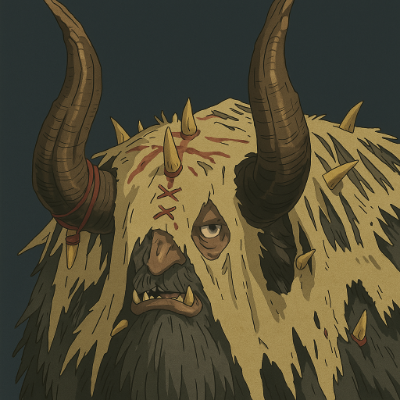
-The Tusk: The Sea of Diamods is a vast enormous ocean that covers the south of the continent and at its very edge to the southwest lies this strange and ruined land that everyone calls the Tusk. Not many have traveled to this distant and gloomy land, but those who have and returned speak how it's the very brink of civilization, far away from the Pirate Realms, the more gentle coasts of Pinalo or the bordering kingdom of Borea. A place buffeted constantly by horrifing cold winds, haunted and cursed forests, vast stretches of icy waters separating the land... And many tales of treasures and wonders of antiquity that lie hidden away from everything.
But let's take a step back and start with the geographical features of this region. The Tusk is an enormous string of islands that lie far away off the coats of both Pinalo and Borea separated by a small expanse of water known as the Sea of Fangs due to the large crags that emerge from the waters. Efforts to map these myriad of islands continue even to this day since sailors and cartographers firmly believe that there are so many that it would be impossible for them to see them within a lifetime. These islands extend over a vast distance and they are of many sizes, with some being extremely large or while others are so small that only a small village can be built and subsist on its scarce surface, and sometimes not even that. This has led to a vast array of types of settlements in this seemingly endless archipielago, from large villages and even some cities to subsistance villages scarcely populated or ramshackle settlements tied to a lumber or mining operation.
Yet the most enigmatic thing is the origins of this region. The local legends vary enormously in several details but all align in the most important facts. Long ago, the Tusk was a large landmass that despite its cruel weather and long nights, was home to a large host of humans that braved this bitter place thousands of years ago. In their legends, it was said they were the favoured subjects of the ancient dragons, enormous creatures whose breath was the horrific cold of cruel winter and, like they stated, were more wise and measured than their northern kin. Yet when the War of Scales took place and humanity begun to lead the hunt against the dragons, the people of the Tusk fought to protect their masters. Eventually, this war would wear down on the tuskans and end up oblieterating them. For this, the dragons who watched over them relented on behalf of their subjects, fled the Tusk so they would no longer be persecuted. Ever since that day, the Tuskans await the return of their ancient masters looking further south, keeping that memory alive throught their religion: The Dragon Cult that reigned over the ancient kingdom that ruled the land. It is through them that the names of some of the greatest of the ancient dragons are preserved, like Beithir; the lord of the skies, Sugaar; king of all fires and the eternal scaled ruler; Agathos.
Thousands of years after the Great Scouring came the Age of Cruelty, an age that in records relates how the world tore itself apart in many ways. The Tusk was one such place. In one of its oldest songs called “The wrath of the land and sea” talks about how for several days the sea raged like no other time and the earth trembled, a clear reference to the “Earth Rage” that was said to happen thousands of years ago. The mountains begun to shatter and the land broke open in a horrific motion. With this, the place that the Tuskan called home was no more with the old kingdom split apart in hundreds of pieces separated by the bitter waters of the Sea of Fangs. Their priests and sages tried all they could to prevent this catastrophe since they believed the land rested atop an ancient dormant dragon and its awakening would signal the end of the world. With this, they begun lenghty and bloody rituals to appease this creature in a long bout that is said lasted for 40 days and 40 nights as the islands begun to drift and the sea swallowed up plains, valleys and fjords, killing countless people. And eventually, the earth ceased with its painful tremors and the sea rested once more. For them, they were saved but all that their kingdom was once, was gone forever as their cities were torn and damaged and their people would have to struggle to begin anew in this bleak place. Yet the priesthood was emboldened by this and soon their tradition grew, seeing themselves as some sort of preservers of the world.
Ever since this terrifying incident, the Tusk has become an even more bleak place, buffeted by the horrific cold winds of the south and its coasts bathed by the icy dark waters of the Sea of Fangs and the Sea of Diamonds. Snow covers this place most of the year, with days being dark and nights being lengthy. The forests that remain in the islands are dark places housing horrible and dreaded creatures like snow trolls and fenarms, and those unexplored are considered to be cursed and inhabited by even worse things. A place where winter reigns for too long, scarcity is normal and where many would have a difficult time living. Yet the people of the Tusk endure, and this is because of their oddities. The sailors and people that have had extensive contact with the Tuskans talk with them like they are otherworldly beings. They speak of their skin, white like the driven snow and barely warm, their fair hair and their light colored eyes, otherwordly and beautiful beyond measure. In ancient times they would have been mistaken for children of the gods, since some books gather that many priests and pilgrims that traveled to the Tusk on behalf of Dubhcrom believed that the Tuskans were born of the physical remains of Melarith, the goddess of water, and they rose from the snow. This is of course false since they do not worship the ancient gods, yet at the same time nobody knows exactly if they are human or not. But it is enough musings about the nature of Tuskans (or as they call themselves “Aeslanders” or “People of the Fair Land”), i will talk more in detail when i write about the races of this world. The language talked in the Tusk is known commonly known as the Language of Snow or Aeslandic and by my estimates, or at least idea after reading extensively about them is that their language is probably the oldest in the entire continent, even more that the any of the elven languages if it is to be believed.
As for the organization of this broken land, originally the survivors of the catastrophe tried to maintain their order and unity thanks to the extremely releveant and revered Dragon Cult and also their king. Unfortunately, the king at the time died along with most of the royal family, leaving only the two youngest sons as the last remnant of the line of the king. While some of the priests advised the elder of the two to take up the leadership for his people at the age of 15, some others were more measured and suggested on ruling on behalf of the young heir until he completed the rite of maturity that would take place when he reached 16. And originally the regency was chosen, yet this didn't suffice for many of the stranded and isolated settlements and cities. And as much as the priests tried, many of them were not apt nor ready for the burden of leadership unlike the nobility. For this, elders and warlords begun to rise among the survivors, rallying all they could under their rule for better or for worse, discarding the idea of their old unified kingdom. Thus begun the age of the clans that lasted for a very long time in their history. There are several records of this time stating that there were 6 clans that ruled over different regions of this broken land: the Matians, the Nirfalings, the Varatis, the Skarnlings, the Lindgars and the Girdlings.
As the records state, each clan ruled a certain number of islands that were grouped under the rule of some sort of leader that could be an elder, a wise man, a mage or a mighty warrior since it depended on the needs of the clan at the time. These leaders were known as Jarls and those that ruled smaller steadings for them were known as Huscarls, bonded to the jarl through an oath of loyalty and servitude, mostly enforced by the extremely punitive consequences of failure to the jarl. With this, territory was of the essence for each clan since in this bleak land securing their nearby resources was key to surviving, but it also depended on the needs of each settlement. The old records state that small wars were carried out by each clan in order to secure islands that served as hunting grounds, mining areas or had forests that could be harvested for lumber. But this happened mainly during the initial years where the Tuskans suffered the most. Yet they soon begun to realize many things. They no longer needed as much food as before and they could weather the dreaded cold of the Tusk with ease. This meant that soon their culture and needs shifted as they saw that despite the scarcity in their lands they could live fairly well with what they had available. And thus for many years the clans begun to foster amicable relationships between each other to trade and protect themselves from the horrors that lurked in this land. With this, they begun to rebuild their ruined villages and culture among the snow.
@EMILIA @Magmaearth