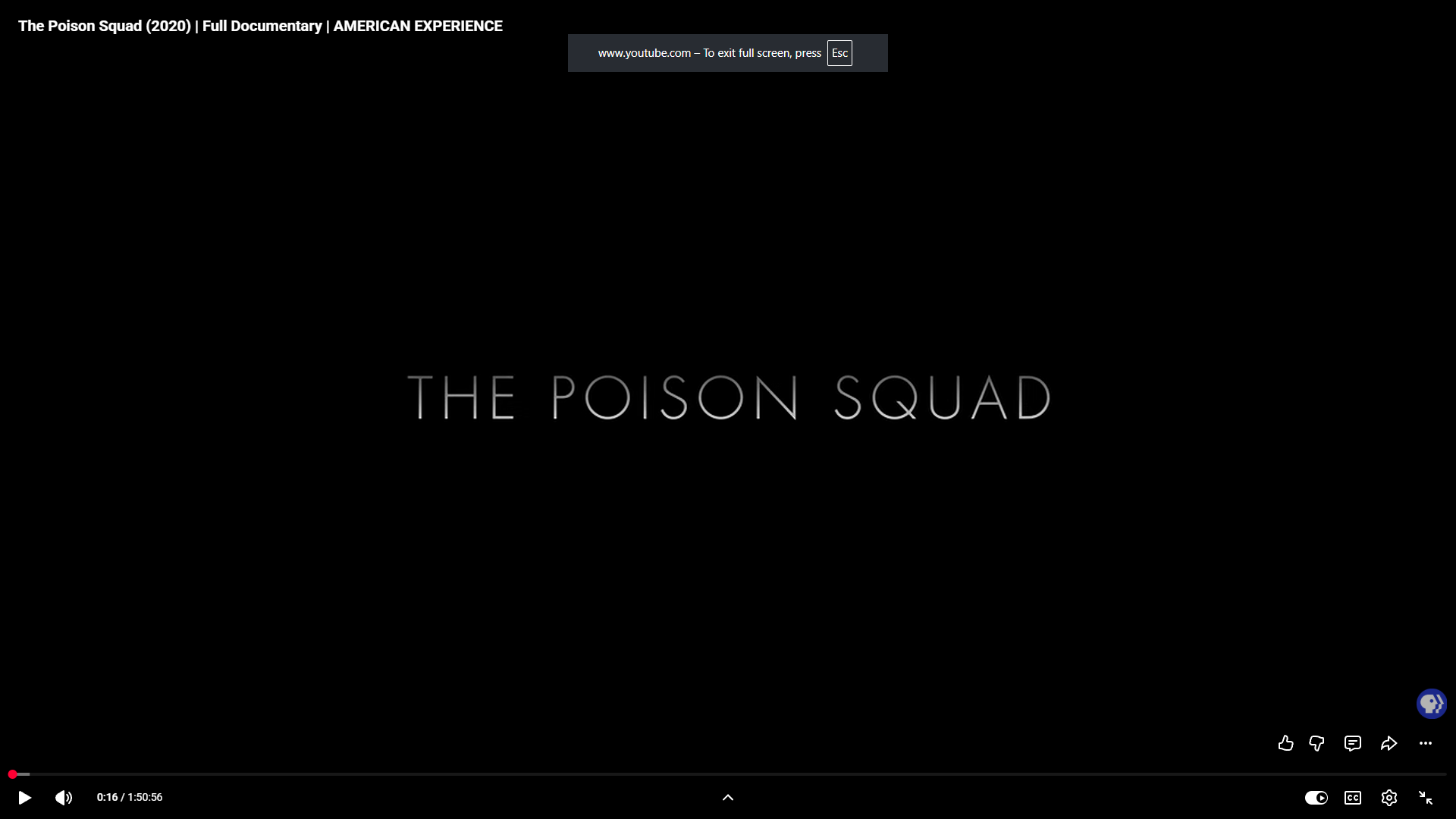
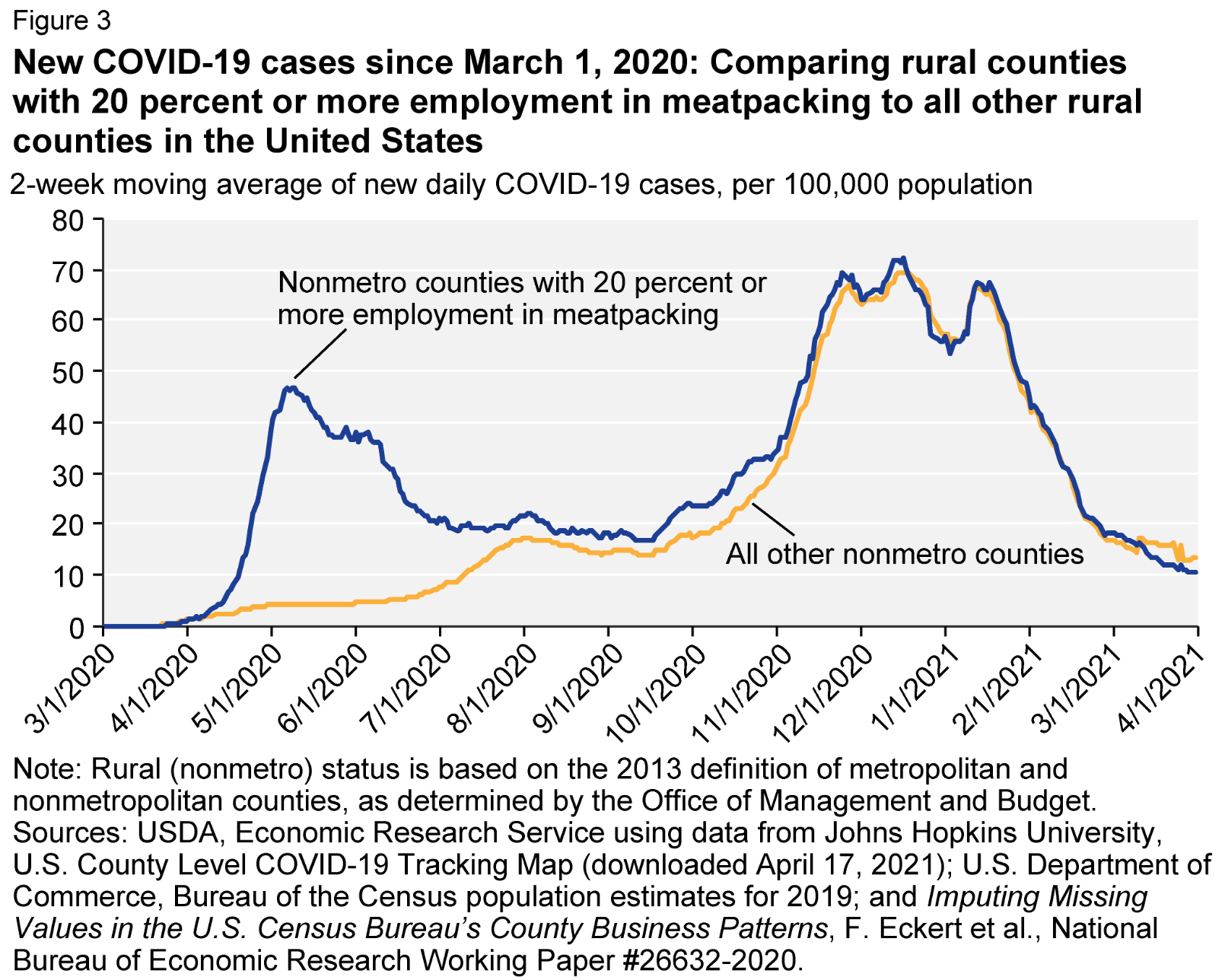
Noticed it aired March 1st? Remember, March 1, 2020?
"March 1, 2020 was a Sunday, marking the 61st day of the leap year 2020 and falling in week 9.
Key global events on this date included:
Pandemic Response: The first confirmed U.S. coronavirus death occurred in Washington state, prompting Governor Jay Inslee to declare a state of emergency. In New York, Governor Andrew Cuomo announced the state's first case, linked to travel from Iran.
U.S. Politics: Joe Biden won the South Carolina Democratic presidential primary with 48.4% of the vote, significantly ahead of Bernie Sanders. Consequently, Tom Steyer suspended his presidential campaign, and Pete Buttigieg followed shortly after.
International Relations: The U.S. and Taliban reached a peace agreement to end the 18-year conflict, though Afghan President Ashraf Ghani rejected the clause mandating the release of 5,000 Taliban prisoners by March 10.
Migration Crisis: Tensions escalated at the Greece-Turkey border as Turkey opened its frontier, leading to a gathering of thousands of refugees and migrants attempting to enter the European Union.
Other Events: Muhyiddin Yassin was sworn in as the Prime Minister of Malaysia, and Slovakia’s center-right Ordinary People party won the general election on a platform of anti-corruption.
In the United Kingdom, Scotland and San Marino reported their first COVID-19 cases or deaths, while South Korea halted religious services as its infected toll surpassed 3,700."