Damus

Recent Notes

Mattyverse profile picture
A hypothetical thought experiment using a community of 10,000 people where the total economy is initially valued at $1,000,000, with each person holding $100.

Initial State:
Population: 10,000
Total Wealth: $1,000,000
Per Capita Wealth: $100

The currency used in Trustville, the "Trustcoin," is backed solely by the trust of its citizens in the economic system.

Experiment Setup:
Money Printing: A couple of individuals, let's call them "Printers," discover a way to print Trustcoins at will. Initially, they keep this secret and start with small increments.

Phase 1: Introduction of New Money
The Printers start by printing an additional $10,000 (1% of the total economy) and spend it on goods and services.

Immediate Effects:
Increased Demand: With more money in circulation, demand for goods and services increases.
Moderate Price Hike: Prices might start to rise slightly as sellers adjust to the higher demand.

Phase 2: Expansion of Printing
Encouraged by the lack of immediate backlash, the Printers increase their printing to $100,000 (10% of the total economy).

Economic Consequences:
Hyperinflation Begins: Prices skyrocket as sellers realize more money is chasing the same amount of goods.
Example: A loaf of bread that was $10 now costs $20.
Wealth Redistribution: Early adopters of the new money (the Printers) become wealthier in real terms before prices adjust. Others find their purchasing power diminishing.

Phase 3: General Awareness and Panic
The community becomes aware of the unlimited printing. Trust in Trustcoin falters.

Market Reactions:
Hoarding: People start hoarding goods or other forms of value (like real estate or commodities) rather than keeping money, expecting prices to rise further.
Barter Re-emerges: Out of necessity, direct barter systems might start re-emerging, bypassing the inflated currency.
Price Volatility: Prices become highly volatile, with some goods becoming almost priceless due to scarcity or hoarding.

Phase 4: Collapse of Trust
The Printers, now feeling the pressure, print even more to try and maintain their standard of living, pushing the total money supply to $1,000,000,000 (100 times the original).

System Breakdown:
Hyperinflation Crisis: The economy spirals out of control.

Example: That loaf of bread might now cost $1,000 or more.

Economic Paralysis: Businesses may close, employment drops as there's no real value in wages when prices are rising faster.

Social Unrest: Inequality peaks as those who printed money first are vastly richer in relative terms, leading to social tension and possibly conflict.

Phase 5: New Economic Order or Collapse
Currency Reform: If Trustville is to survive, they might need to:
Reintroduce a new currency, backed by tangible assets or labor.

Implement strict financial regulations to prevent such events in the future.
Economic Reset: Possibly reset the economy, perhaps with a more decentralized system or backed by something real like labor hours or goods produced.

Alternative Path: If trust cannot be restored, Trustville might dissolve into smaller, self-sufficient communities using barter or a completely different economic model.

Conclusion:
This thought experiment demonstrates several economic principles:

Inflation: Unchecked money printing leads to inflation, where the value of money decreases.

Trust in Currency: A currency's value is significantly tied to trust in the system; once lost, it can lead to economic collapse.

Wealth Redistribution: Those who first gain access to newly printed money benefit at the expense of everyone else, leading to economic disparity.

Need for Economic Regulation: Some form of control or regulation is necessary to maintain economic stability and trust in currency.

This story serves as a stark reminder of the potential dangers of fiat currencies when not managed with transparency, accountability, and economic prudence.

This is what is happening in real time in the world.

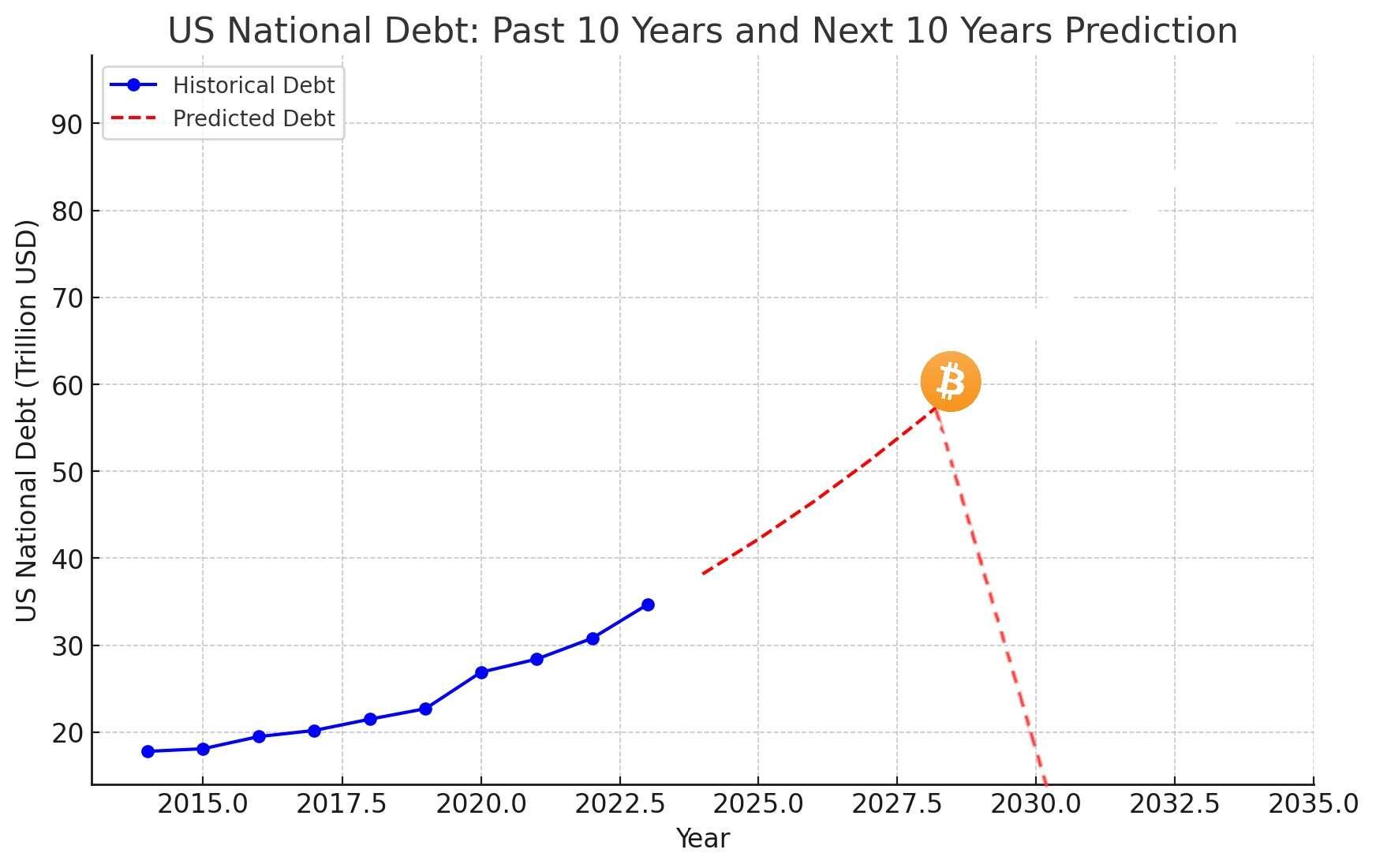
Bitcoin can't be printed. Bitcoin fixes this.
Mattyverse profile picture
It's 2026.

The bullrun has come to an end.

It's 5:30 am and you're making a coffee.

Tying your workboots.

You look out the window. It's dark and raining.

You sigh while you pack your meager lunch into your lunch pail, grab your keys, and head out the door to go to a job you hate, working for someone who doesn't care about you.

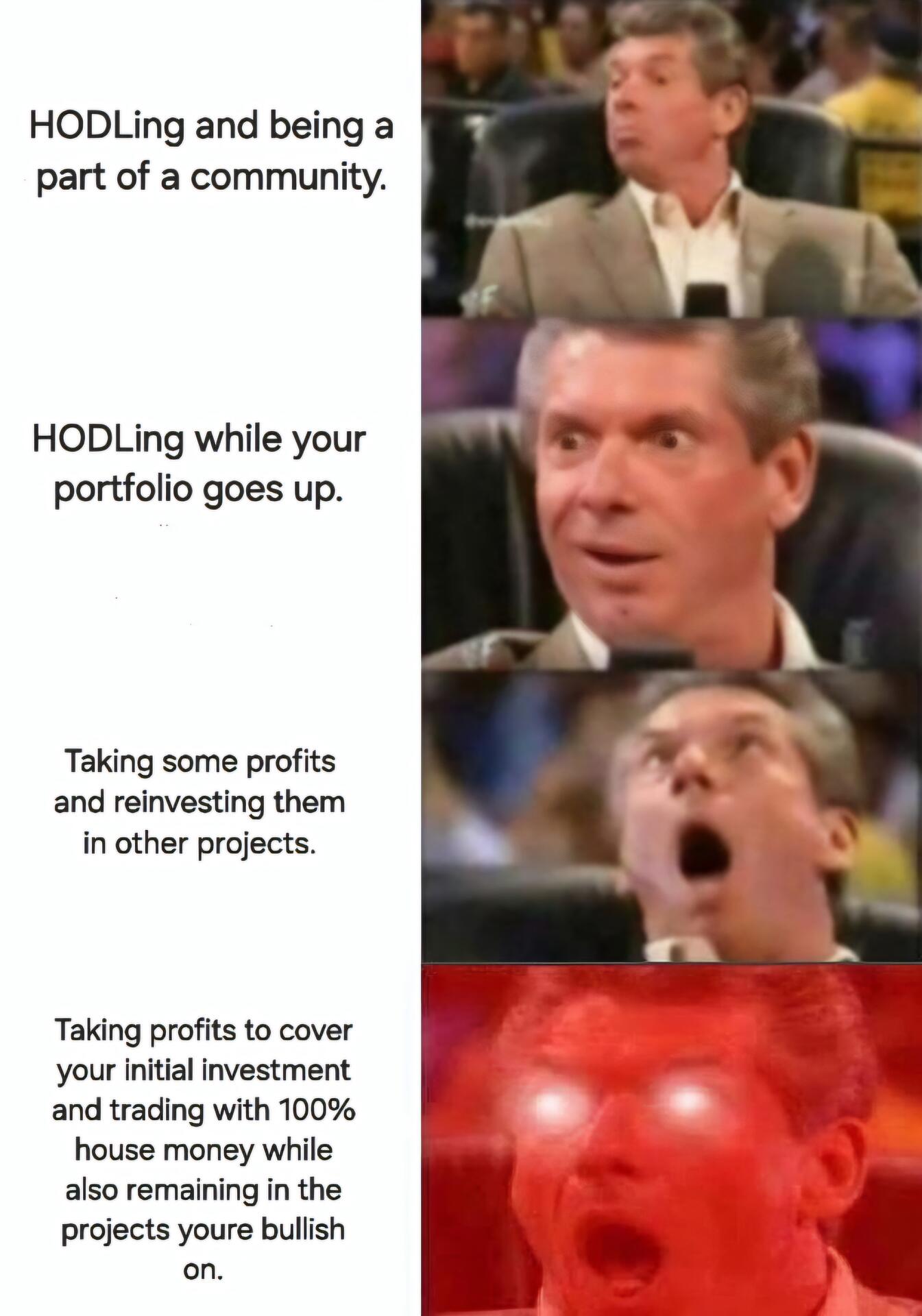
All because you succumbed to HODL culture.

Was it worth it, Anon?

At least no one is mad at you for selling. They got their bags.

That's alright, though. The real fortune is the friends you made along the way... right?

You know, the ones who don't talk to you anymore because they sold the top while you HODL'd to zero, and don't need anything from you anymore.

All this to say, please make your own decisions and don't take financial advice from people on the internet.

Don't let anyone tell you when or when not to sell and take profits.

Everything goes to pennies in the end.

You don't want to be left holding the bags.

Do what you feel is right for you at the time.

I sincerely hope you do well, Anon.

Mattyverse profile picture
Majority of people choose to live in an echo chamber where their views are validated and opposing views are squashed out.

Don't be that person.

Get out of your comfort zone.

That's how you do it.
Mattyverse profile picture
It's so funny that people worry about bitcoin price.

Like, who cares? We want bitcoin to replace the dollar, so why are we worried about how much of this infinite asset we can get for our finite one.
Mattyverse profile picture
Just paid 120k sats to extend my subscription to nostr.wine . gives me a year plus a bonus year.

Let's make these two years worth it!

If you're on nostr.wine, follow me! I'll follow back!