They do it, but it never becomes that big because it's just not that efficient. In France it's fairly popular because petroleum is heavily taxed and bio-fuels are not, but still it remains niche.
Lets talk biodiesel, because you really can't beat the efficiency of a diesel engine.
So the best producing oil crop is rapeseed, which in France yields around 600-1000L per acre. Lets be really generous and assume 1000L.
Oil is worth about 10kWh per liter, so 1 acre in 1 season gives you 10,000 kWh of chemical energy.
There are costs because you have to plant it, fertilize it, spray it harvest it, press it, and then do a conversion to make the actual bio-diesel, and then the diesel engine is only 40% efficient, but lets put all of that aside and pretend we can just designate an acre of land to canola and get 10,000 kWh of energy per year.
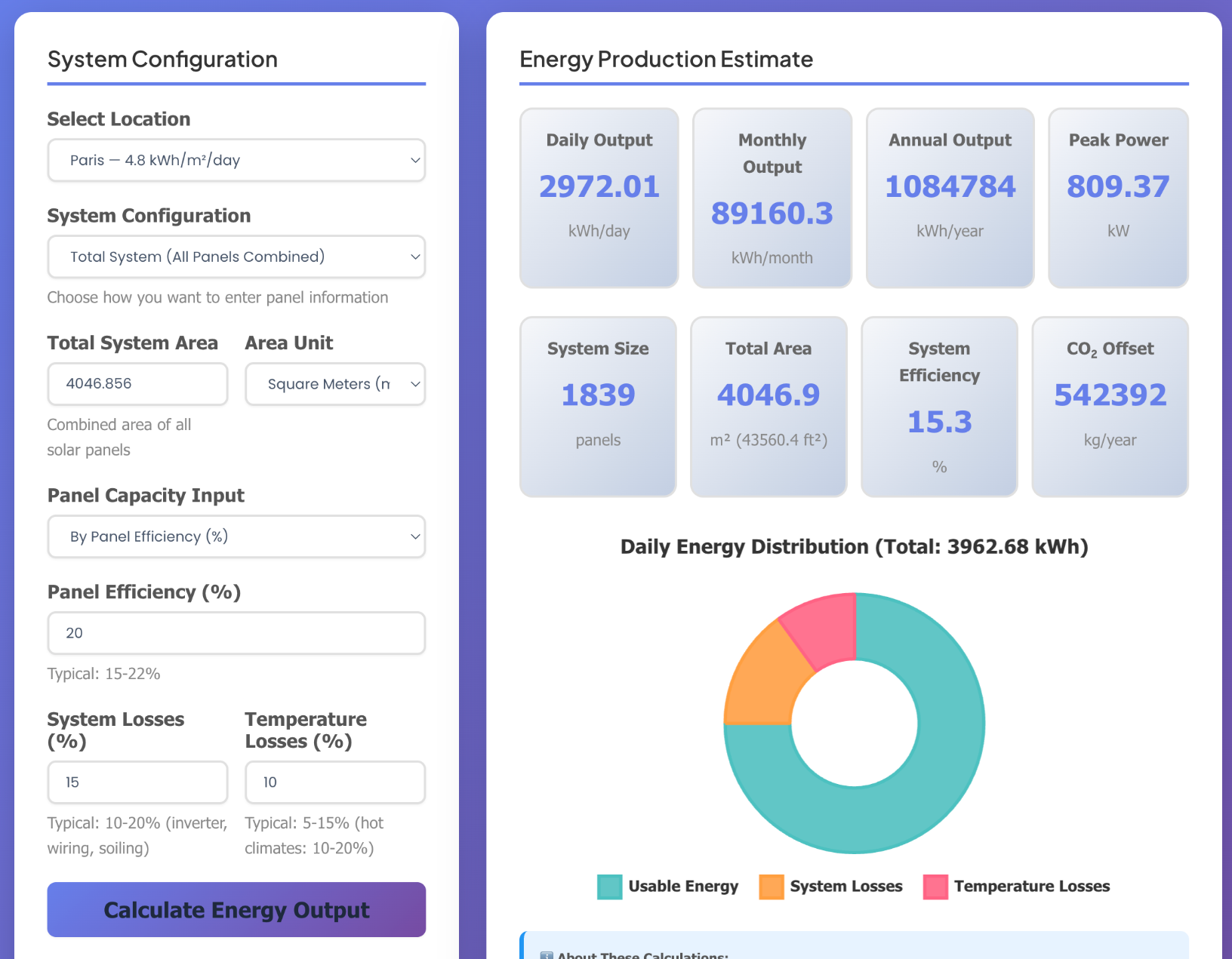
Now lets try putting that land in solar panels. 1 acre is 4046.856 square meters. So when we run the computation for solar, it's just laughable... 1,084,784 kWh/year, and solar panels can be put on marginal land and require almost no maintenance.
Now France consumes about 35 billion liters of diesel per year. So to grow that much rapeseed would be 35 million acres of land. France has 69 million acres of farm land, so that would actually be using over half of it just to be diesel independent.
So the economics just aren't there, farmers grow rapeseed when they have nothing else to do, but wheat, or cattle pasture, or grapes for overpriced wine, just pays better.