Damus
THE MARTYR OF BUTLERIAN JIHAD profile picture
THE MARTYR OF BUTLERIAN JIHAD
@THE MARTYR OF BUTLERIAN JIHAD

We must negate the machines-that-think. Humans must set their own guidelines. This is not something machines can do. Reasoning depends upon programming, not on hardware, and we are the ultimate program! Our Jihad is a "dump program." We dump the things which destroy us as humans!

This is the tech account of @newt, formerly located at @pureevil. If you reached this place, it's your own fault.

Expect long posts about the metaphysics of computing. Don't blame me for any adverse side effects.

Relays (1)
  • wss://relay.ditto.pub – read & write
Recent Notes

THE MARTYR OF BUTLERIAN JIHAD · 3w
nostr:nprofile1qy2hwumn8ghj7un9d3shjtnyd968gmewwp6kyqpqer26g8v2gdquxkyk43usmlk7gaqhle08p378ld3ldfd6p5yrt8us3qs2sp to be fair, Intel tried to kill x86 at least three times. First, with iAPX432 in 1982,...
THE MARTYR OF BUTLERIAN JIHAD profile picture
@Phantasm adding to that, x86 has survived and thrived not because of Intel but despite of them. Basically, other vendors have forced Intel to stay in lane and continue with x86. IBM saved them from bankruptcy by buying their 8086 for the IBM PC after iAPX432 drained Intel's funds, then came them competition from AMD, Cyrix, and other vendors, forcing Intel to continue. If Intel wasn't going to make x86, someone else would've, as it happened with AMD64.
note14g2f9...
THE MARTYR OF BUTLERIAN JIHAD profile picture
@Phantasm to be fair, Intel tried to kill x86 at least three times. First, with iAPX432 in 1982, then with i860/i960 5 years later, then a decade later with Itanium. With the exception for iAPX432 (which was totally and completely insane), other attempts were sound. i860 was a good RISC chip and Itanium wasn't so stupid at the time. Compiler sentience and hindsight 20/20 aside, back in the late 90s it wasn't even known that CPUs would peak at 5GHz frequency. Intel could've been very well planing for Itaniums to hit 10GHz and above.

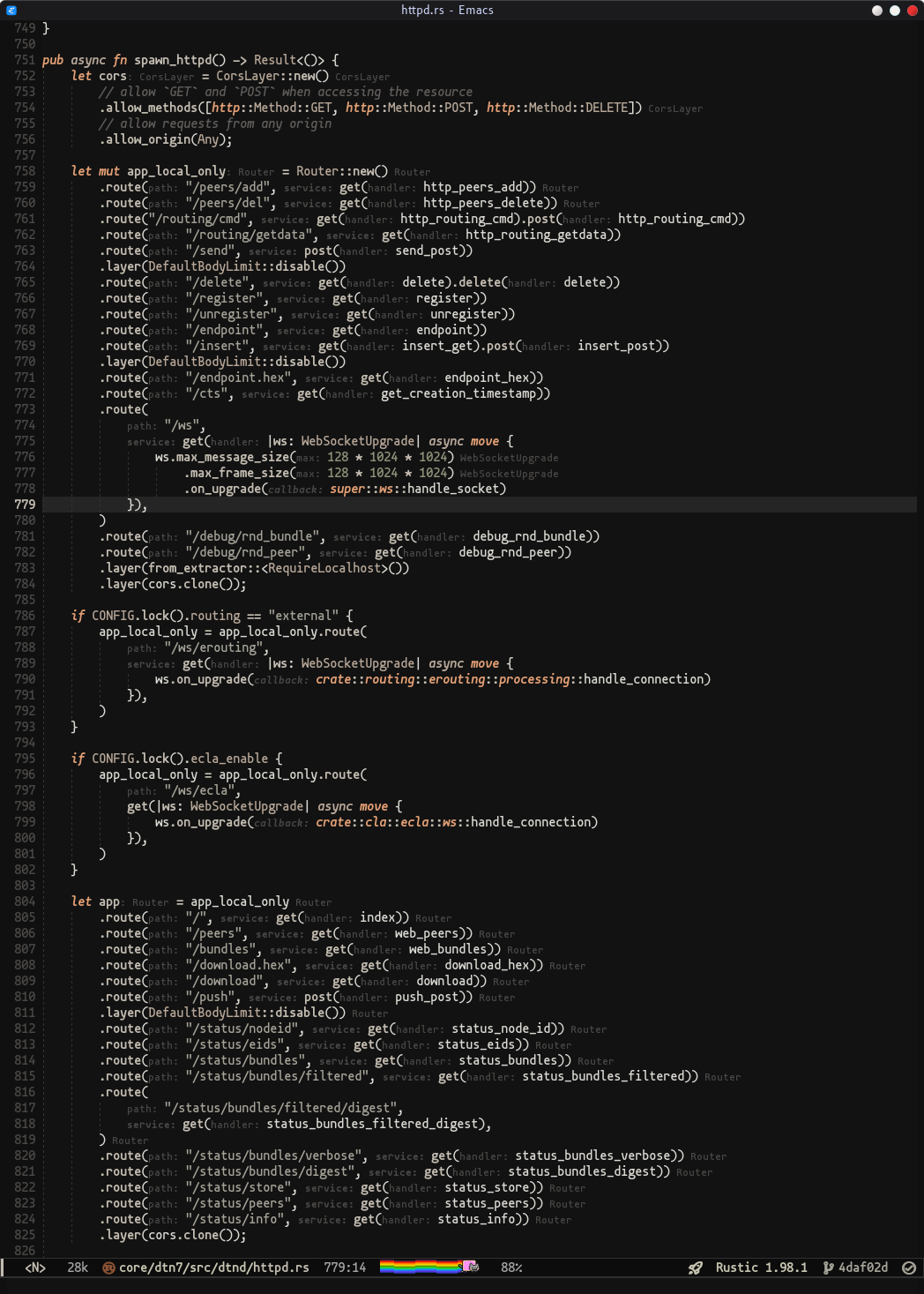
Check the graph attached. Before CPUs hit around 2-2.5GHz mark, it was thought the power requirements and therefore heat production were scaling linearly with the frequency, not exponentially. You can blame this fact for the failure of both Itanium and Pentium 4 cores. Itanium was initially designed with physically larger cores in mind running at much higher frequency than what they ended up with.

1
THE MARTYR OF BUTLERIAN JIHAD · 3w
nostr:nprofile1qy2hwumn8ghj7un9d3shjtnyd968gmewwp6kyqpqer26g8v2gdquxkyk43usmlk7gaqhle08p378ld3ldfd6p5yrt8us3qs2sp adding to that, x86 has survived and thrived not because of Intel but despite of them. Basically, other vendors have forced Intel to stay in lane and continue with x86. IBM saved them fr...
scuti🌱 · 15w
nostr:nprofile1qy2hwumn8ghj7un9d3shjtnyd968gmewwp6kyqpq7esnvwnpunszha3whjk4y4xe0g7u8maswrul49lgg4sqpxanlkjscl4kgw why I don't play modern big budget games. I get cheaters ruin the fun though.