Damus

Recent Notes

mcc profile picture
okay I got about… four hours of sleep last night? maybe less? time to write assembly language
mcc profile picture
To answer the article's question: It is unethical to run a program that "tortures" an LLM because in order to do this you must run the LLM and it is unethical to run an LLM 🤷‍♀️
mcc profile picture
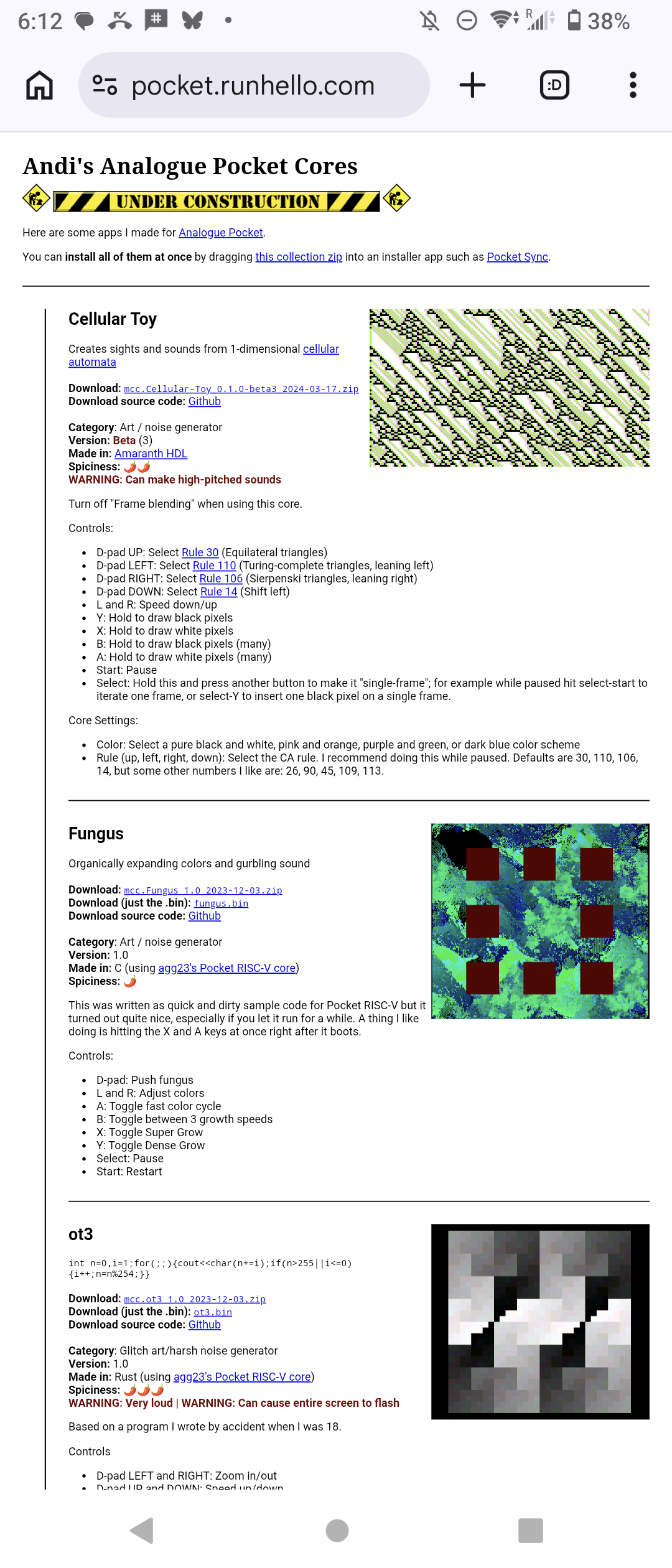
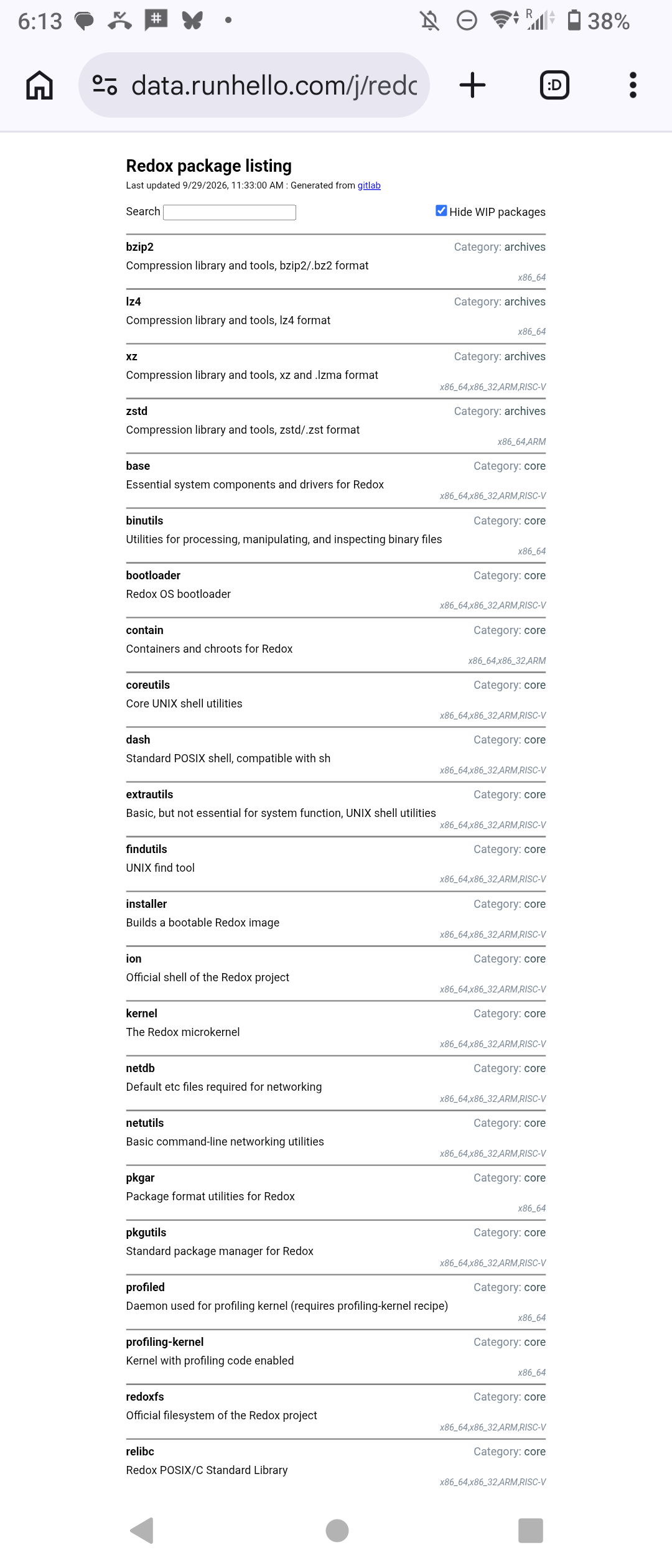
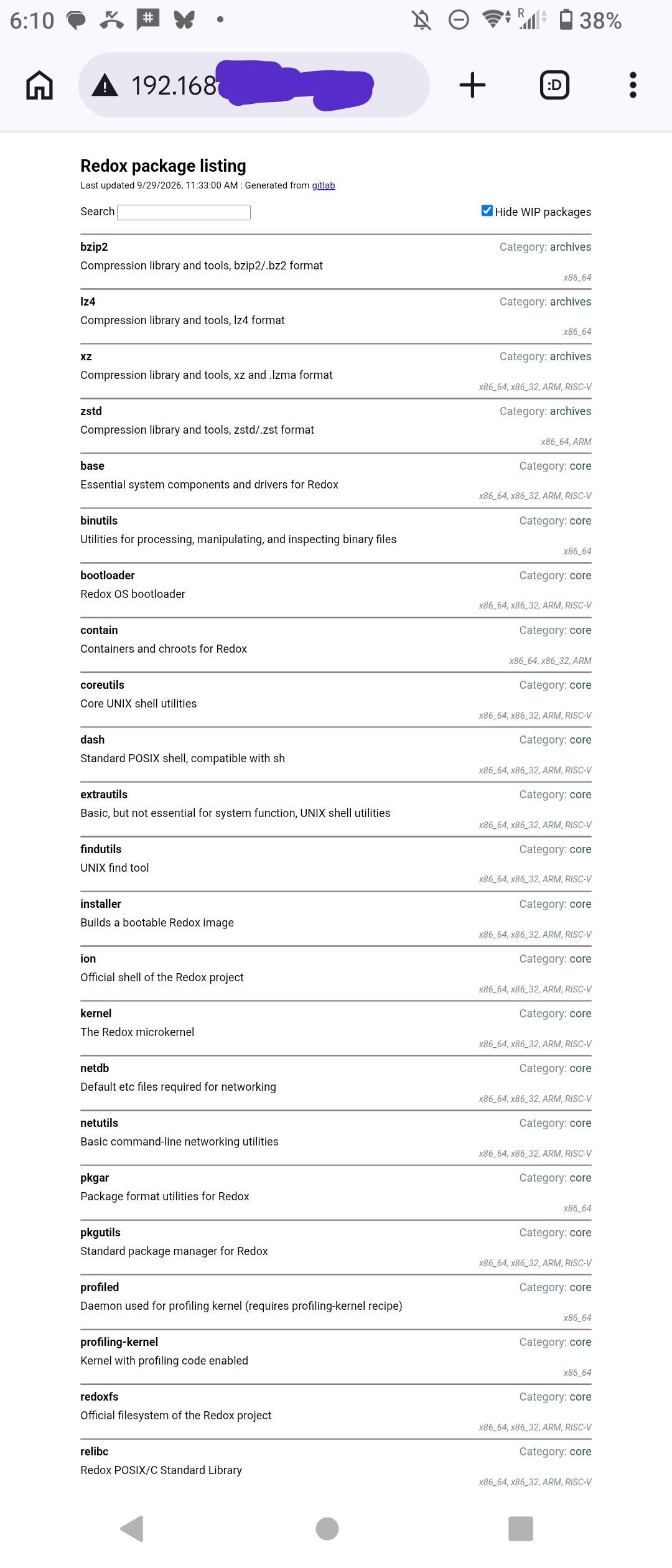
Whenever I write basic html, and display it on a phone, the text is unfathomably tiny. What I want it to do is do semantic html and pick a reasonable text size and format around that. But instead it's like "I MUST simulate a 1080p monitor then shrink down". It is like I am missing some magic on-phones:dont-look-like-butt CSS tag.

Why :(

Examples:
1. https://pocket.runhello.com
2. https://data.runhello.com/j/redox/pkg-test-2/
3. Same but with max-width css removed, in case that's the problem


mcc profile picture
I have this JS/React code

for (var arch of archs) {
if (platform.length > 0) platform.push(", ")
platform.push(<span class="plat">{arch}</span>)
}

Later I put {platform} inside some JSX.

The space gets eaten.

I make it more elaborate.

for (var arch of archs) {
if (platform.length > 0) platform.push(<span>,{" "}</span>)
platform.push(<span class="plat">{arch}</span>)
}

The space still gets eaten. What do I do to actually put a fucking space after this comma
mcc profile picture
Structuring the project so that I do literally every task that is not CSS before attempting CSS but eventually you just can't get away with not doing CSS
mcc profile picture
Trying to figure out how I'd go about testing if Redox works with LibreBoot,, and whether it's possible to do for less than $500.

I've got this RISCV BeagleBoard but I don't know if it even uses whatever system it is libreboot is meant to be an example of. (EDIT: No. RISCV has its own libre boot system called OpenSBI.)
mcc profile picture
LibGMP https://gmplib.org/ is a GNU library for arbitrary-precision floating point math.

GNU MPFR https://www.mpfr.org/ is a GNU library for "multiple-precision" floating point math

What is the difference *throws things*

Does MPFR just do math at the regular fixed-precision floating point sizes but with more-controlled rounding?