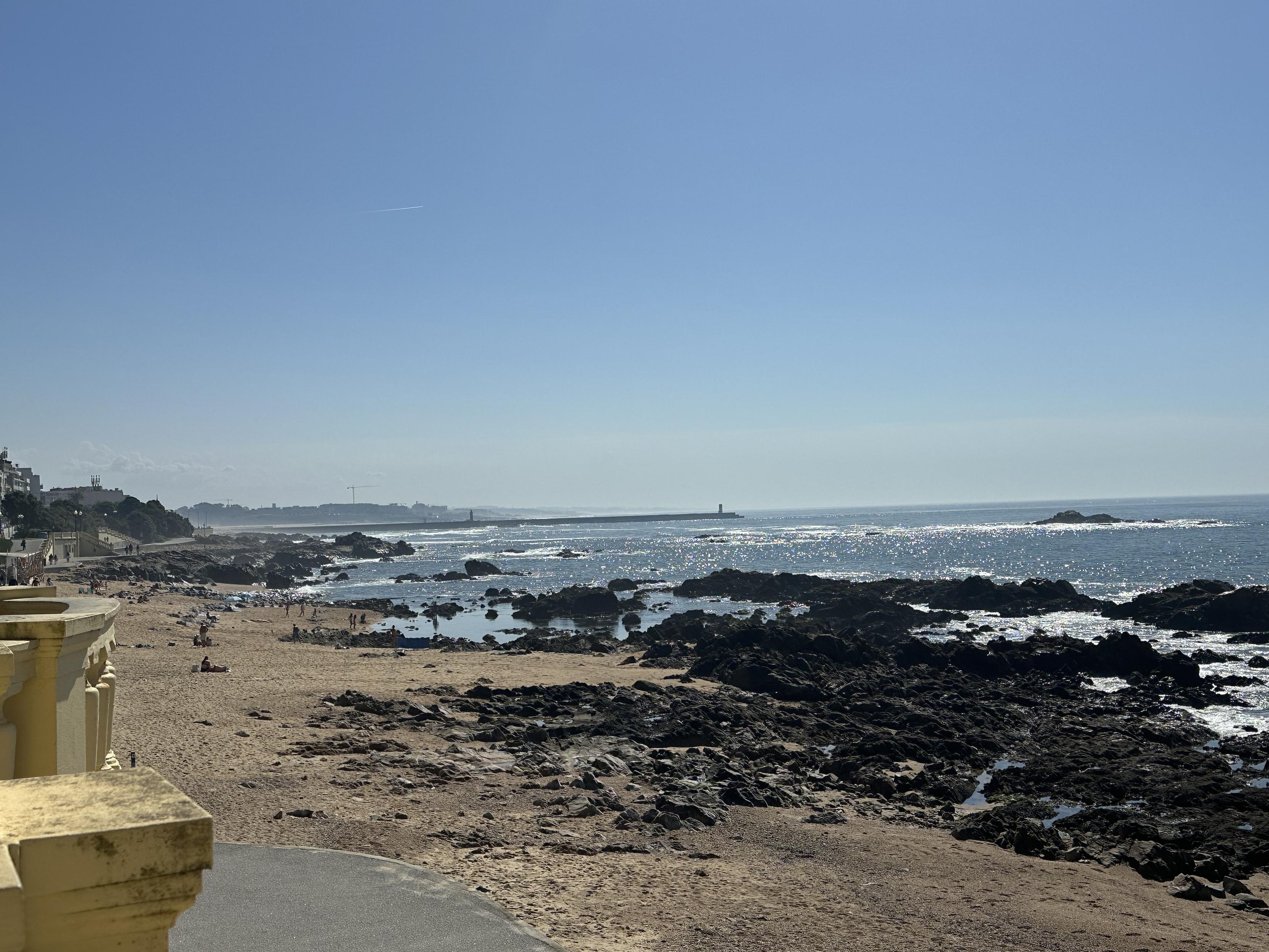
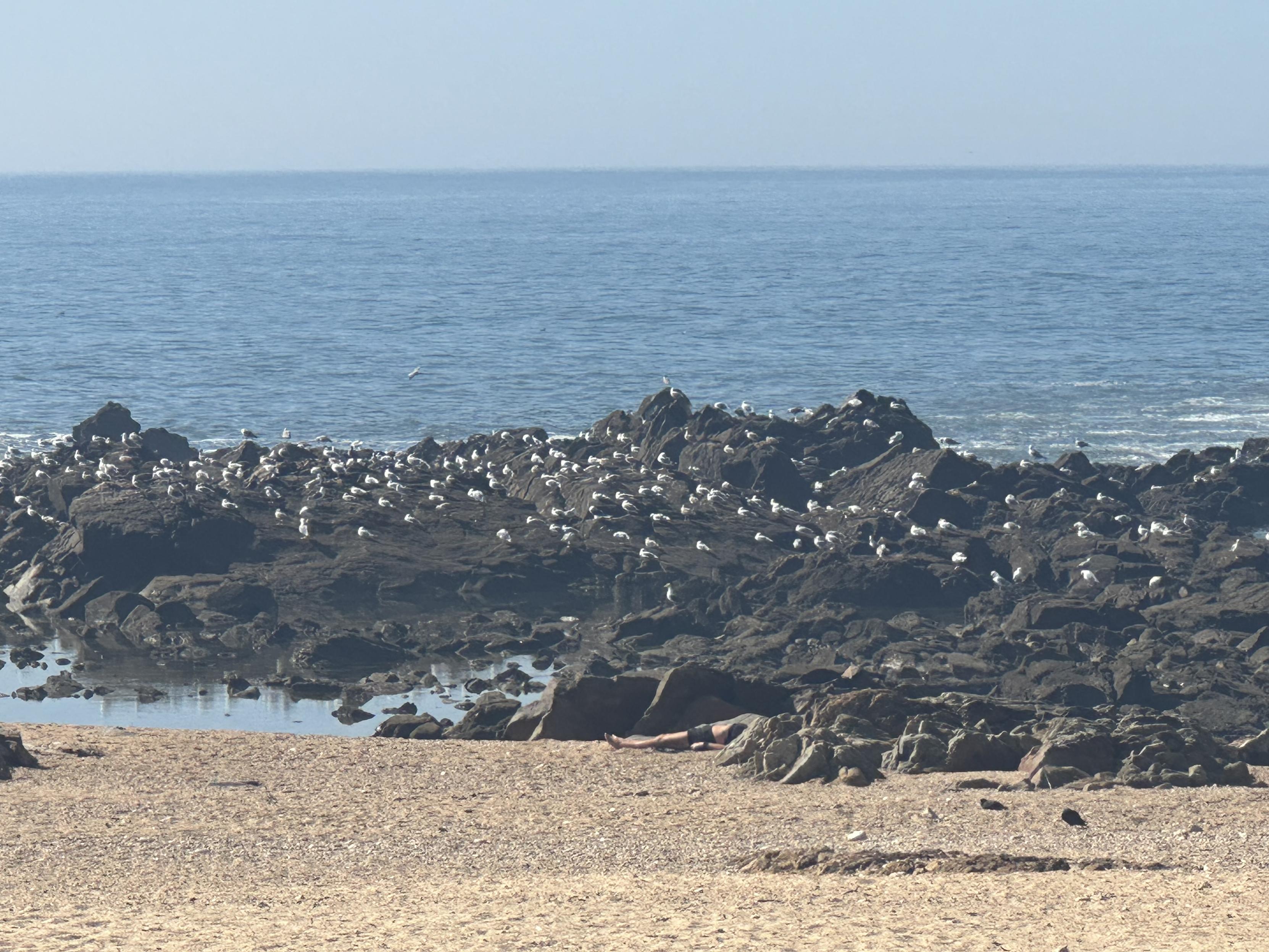
"Today, we are submerged in an ocean of debt. I'm not talking about the (fictional) "national debt" that is just a measure of all the dollars the government has spent into existence without taxing out of existence:
(...)
I'm talking about fiscal debt: the solar we didn't build, the carbon we emitted instead; the rail we didn't build, the wildly inefficient aviation we substituted; the walkable, livable, transit-oriented cities we didn't build, the car-choked disasters we built instead. Oligarchic opposition to universal healthcare left us sick, with un- or undertreated illnesses and missed opportunities for prevention that left us with overlapping, population-scale health crises. All of this is debt that must be repaid: we can't walk away from it through bankruptcy. We must build the transit, cities, and systems of care – the infrastructure – our species needs to carry on human civilization. We can't keep hitting snooze on this, lest we are finally awoken by seawater lapping at our pillows.
The world we're in today is awful and terrifying. It's awful because of the climate ruptures we're living through. It's terrifying because we didn't just fail to avert this crisis – we did nothing to prepare for it, either.
As Piketty foretold, the misrule of oligarchs has led to an orgy of destruction, and while poor people will get the worst of it, oligarchs will pay the most, because they own nearly everything, which means they own everything that will be destroyed, too. None of that is good, and it would be better if we hadn't gotten into this situation in the first place.
But after a forest fire, the canopy opens; and when it does, the seedlings that were overshadowed for centuries by the old growth can sprout in the ashes and the sun. We can't afford to continue living under oligarchy..."
https://pluralistic.net/2026/10/03/full-employment/#Capitalism #Neoliberalism #FiscalDebt #Inequality #Abundance #FullEmployment #Oligarchy #PostScarcity