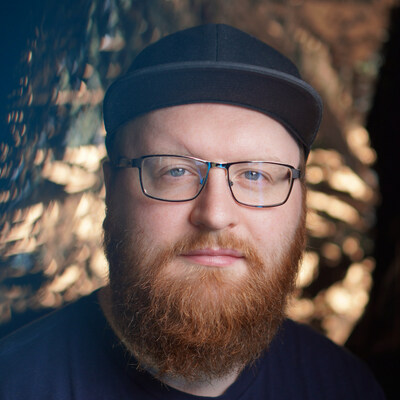
#introduction Reintroducing myself, it's been a while.
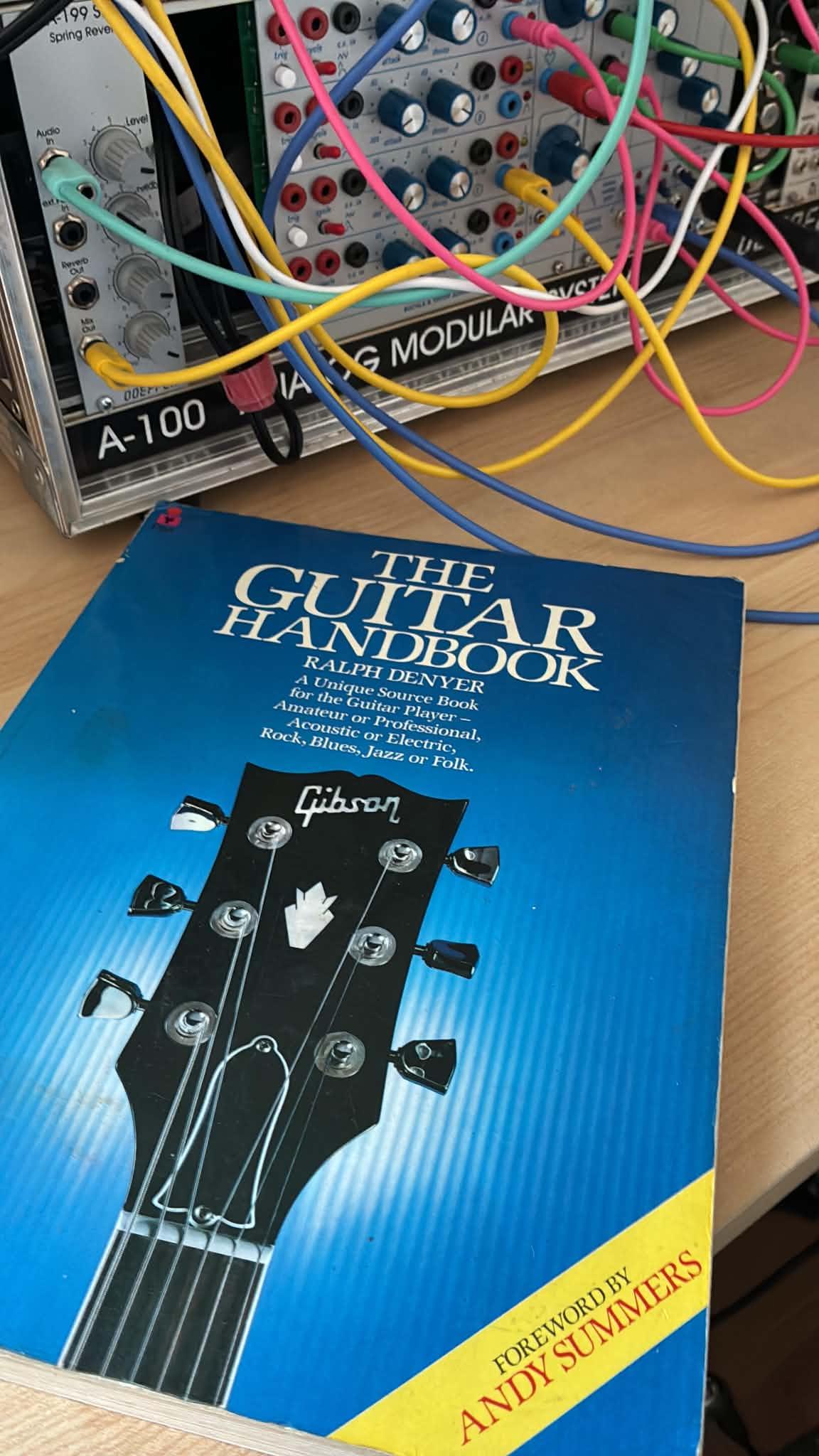
and it is a good time since I quietly released a new modular work yesterday! Some of the stuff from phone recorded toots.
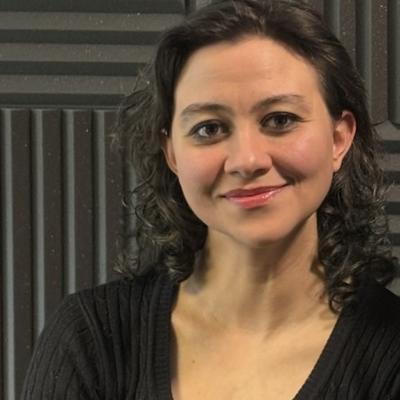
I'm Elif, electronic music maker in London. I lead the electronic music pathway at an institution, curate a couple of live electronics nights, and co-host a programme on pioneering electronic music on Resonance FM called Talk to the Chip.
I like connecting with people here, and exploring what others are making. Wish I'd joined in properly earlier: I actually made an account years ago that disappeared before I did anything with it. Never too late though, and it’s been great to be actively in touch with you fedimates! This place re-encouraged me to actually talk to people about music and other things.
Other than music things, I occasionally write on politics and science and reading and cycling, and I may sometimes rant and post grumpy updates but I attempt to add a CW tag for them.
Music update - Haven't told anyone yet as I feel discouraged or am not very good at telling people about my own works despite updating my website repeatedly, and I'm not good at curating shiny music videos, but with fediverse, it has changed a bit especially after your insights on my question whether it is still worth releasing music.
So, if you want to listen to my fresh from the oven "album" here it goes: I called it Self-Oscillation and named the tracks in the most boring literal way. but the feeling behind it is not lazy, as I wanted this instrument for a long time. These are from my own modular, spanning May, June, July 2026, left mostly untouched, presented as is. For now, have a listen:
https://hazalelif.bandcamp.com/album/self-oscillationAnd now tell or update me about what you do and ask questions if you would like to!
#introductions