Damus

Recent Notes

David Sudweeks profile picture
Last week I witnessed a hit-and-run right in front of me. A silver Honda Accord came barreling into the intersection from a side street and hit the car in front of us, causing another crash beside us. I hardly had time to process what had happened when I noticed the Accord was not stopping, but picking up speed and fleeing. The people in the two disabled vehicles next to me appeared to be okay, so I pushed ahead, careful to keep a safe distance, and in the end was able to get the plate number and a photo of the Accord to the 9-1-1 operator.
David Sudweeks · 17w
Truck makers were faced with the choice: We face a penalty if we keep doing what we’re doing. Do we invest heavily in research and development that (we hope) results in fractionally more efficient e...
David Sudweeks profile picture
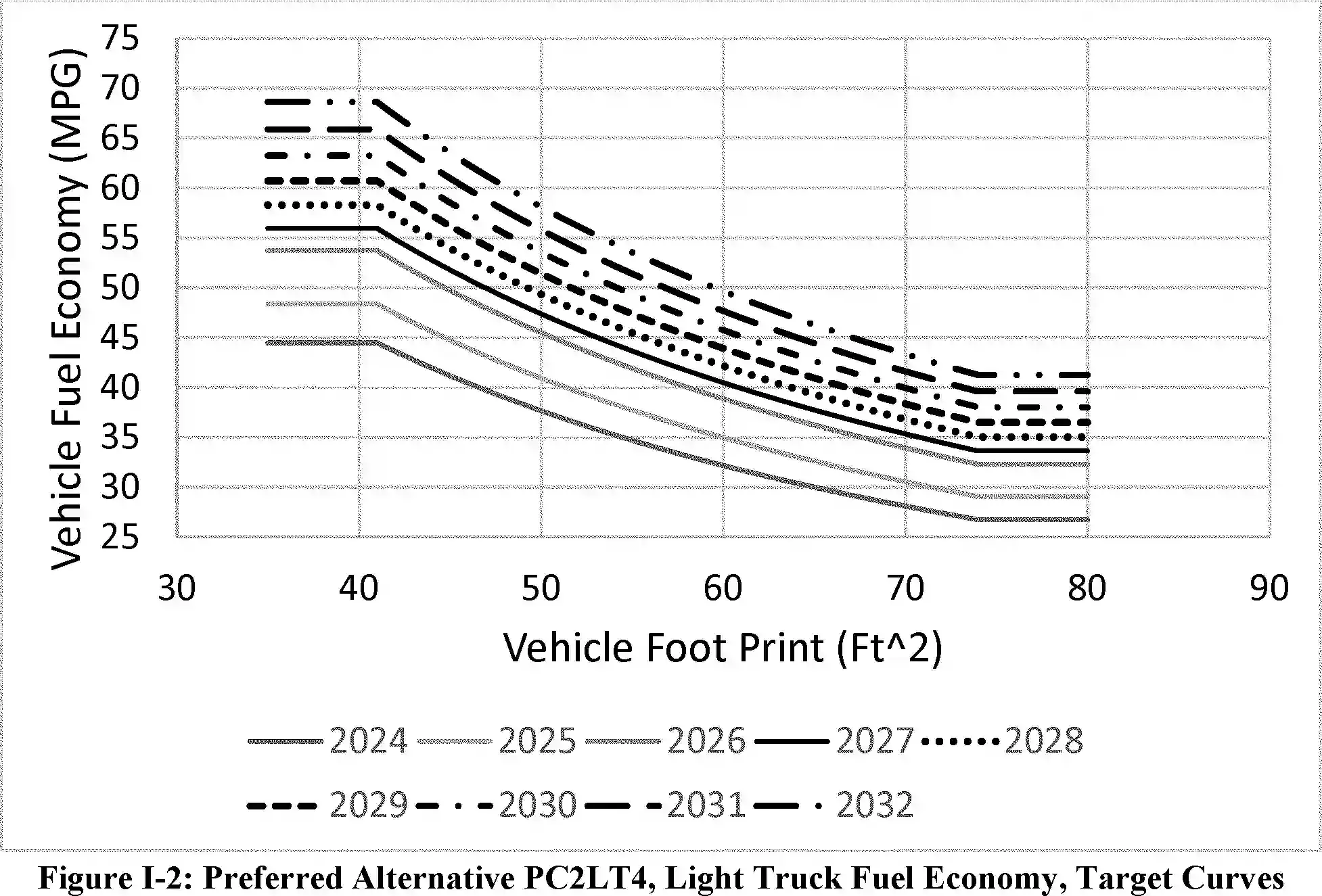
And things are not looking good if the trend continues on into the future. Honestly, can you imagine getting 40–50 miles per gallon in a pickup truck? That’s the kind of efficiency required to keep trucks from pushing beyond their current oversize footprints over the next few years. At a certain point, industry leaders will have to make the case to the EPA why exactly their customers are not interested in running and jumping to get into dumptruck-sized vehicles.
Source: https://www.federalregister.gov/documents/2023/08/17/2023-16515/corporate-average-fuel-economy-standards-for-passenger-cars-and-light-trucks-for-model-years

David Sudweeks · 17w
An EIA story from 2012: https://www.eia.gov/todayinenergy/detail.php?id=7390 “In 2006, the formula used to establish CAFE standards for light-duty trucks was changed. Manufacturers were given the op...
David Sudweeks profile picture
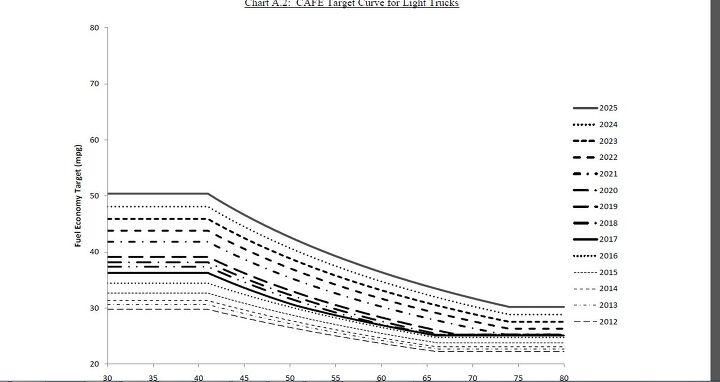
Truck makers were faced with the choice: We face a penalty if we keep doing what we’re doing. Do we invest heavily in research and development that (we hope) results in fractionally more efficient engines for our trucks, or do we find another way to comply with the new standard? Well as it turns out, if your current engine isn’t fuel efficient enough at its current footprint, all you have to do is move your finger along the curve a bit to the efficiency level you can achieve, and then increase the vehicle footprint to the corresponding value. As CAFE standards gradually increased, so did the truck footprint.

1
David Sudweeks · 17w
And things are not looking good if the trend continues on into the future. Honestly, can you imagine getting 40–50 miles per gallon in a pickup truck? That’s the kind of efficiency required to keep trucks from pushing beyond their current oversize footprints over the next few years. At a certain...
David Sudweeks · 17w
nostr:nprofile1qy2hwumn8ghj7un9d3shjtnyd968gmewwp6kyqpqscrtmdrspxks7h3s0gz45uagynxaz7ueqfex0ynsvpyk7p7se42q4cxsv9 “These should be banned.” Look I hate involuntarily being in a monster truck rally...
David Sudweeks profile picture
An EIA story from 2012: https://www.eia.gov/todayinenergy/detail.php?id=7390
“In 2006, the formula used to establish CAFE standards for light-duty trucks was changed. Manufacturers were given the opportunity to comply with fleet-based standards or standards based on their sales-weighted "footprint" (wheelbase times track width). For Model Year (MY) 2011, a new footprint-based standard was enacted for both passenger cars and light-duty trucks. This new footprint standard required that all vehicle manufacturers improve their fuel economy at a similar rate, regardless of the types and sizes of vehicles sold.”
1
David Sudweeks · 17w
Truck makers were faced with the choice: We face a penalty if we keep doing what we’re doing. Do we invest heavily in research and development that (we hope) results in fractionally more efficient engines for our trucks, or do we find another way to comply with the new standard? Well as it turns o...
David Ho · 17w
The rise of larger vehicles like SUVs and pickup trucks, with their taller hoods and larger blind zones, has contributed to a 75% increase in pedestrian and cyclist deaths since 2009. Until we design...
David Sudweeks profile picture
@nprofile1q... “These should be banned.” Look I hate involuntarily being in a monster truck rally as much as the next guy, BUT. The truck on the right exists because its smaller, more efficient precursor on the left effectively *was* banned.

David, thank you for sharing this article. I think its authors do its readers some disservice however by not asking people inside the industry, or just some automotive journalist WHY light-duty trucks have become so much larger since 2011. And far from saying ‘We’re only focusing on the safety implications here,’ they go out of their way to imply that the size increase is a market response to consumer demand.
1
David Sudweeks · 17w
An EIA story from 2012: https://www.eia.gov/todayinenergy/detail.php?id=7390 “In 2006, the formula used to establish CAFE standards for light-duty trucks was changed. Manufacturers were given the opportunity to comply with fleet-based standards or standards based on their sales-weighted "footprint...
Monokrom · 20w
Picked up some language materiale from a church sale: The nugget among them is the Lingala New Testament (printed in Kinhasa, then Léopoldville, 1965), which specifically cites the author as “Our L...
David Sudweeks profile picture
@nprofile1q... He wrote that one? If it checks out, I’ll have to add it to my very short list of things he wrote:
1. Ten Commandments
2. Four words on the wall at Belshazzar’s feast
3. Unknown writing on the temple wall as mentioned in passing in Alma 10
4. Unknown writing on the ground at the scene opening of “woman taken in adultery”